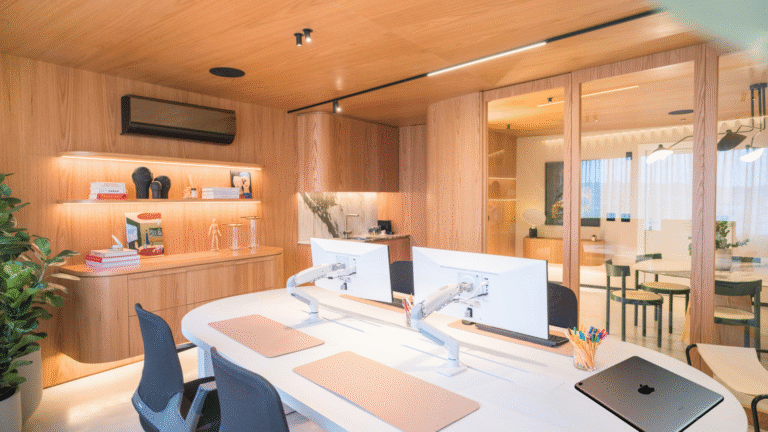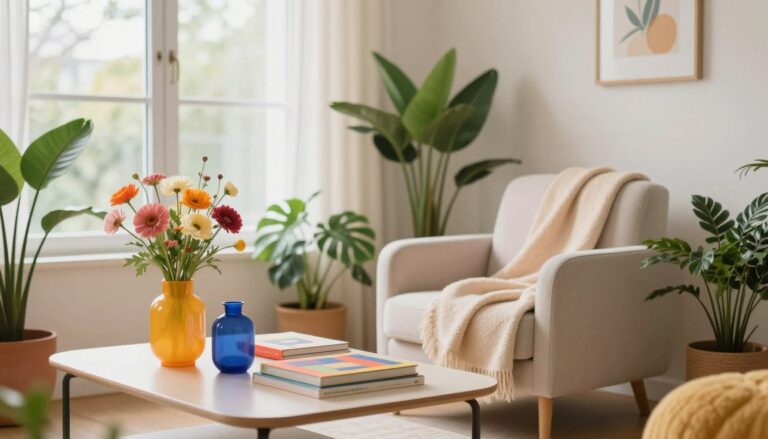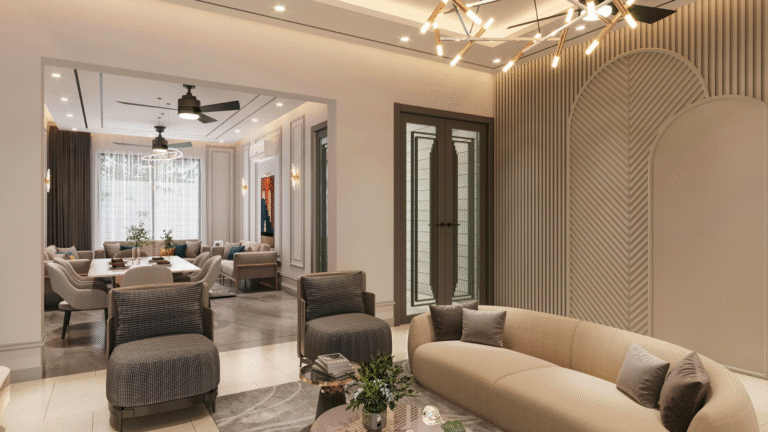
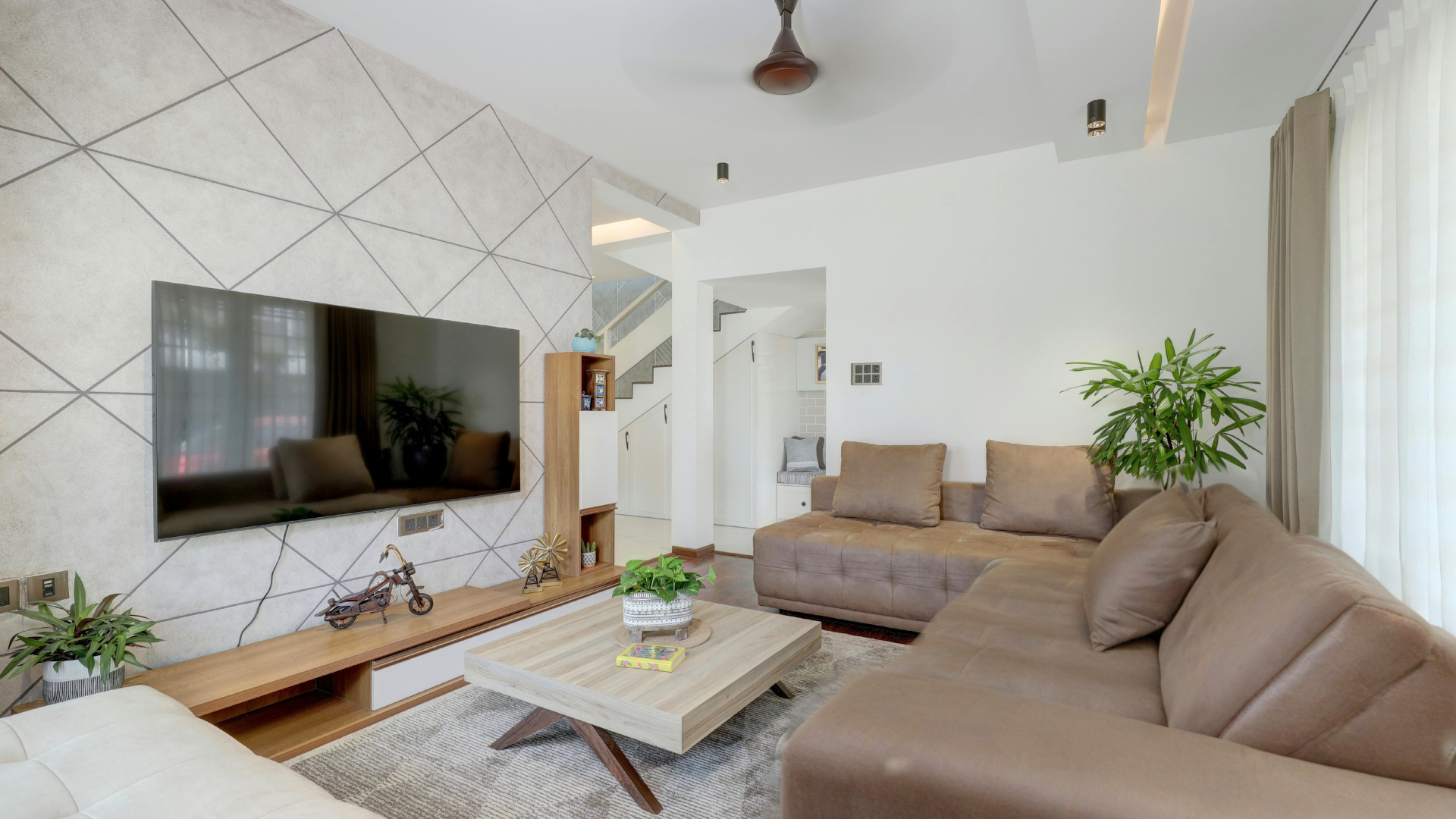
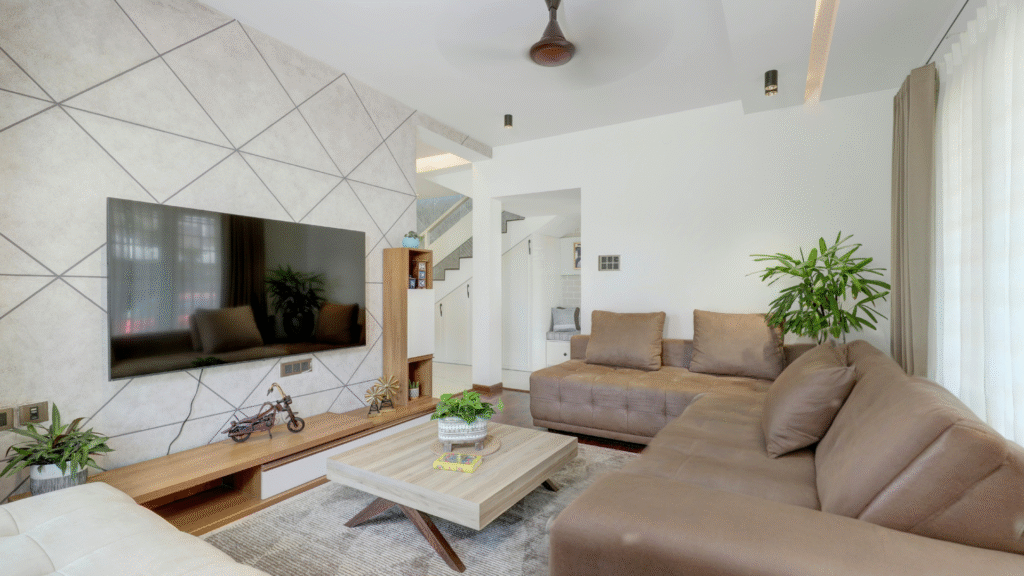
Welcome to the great thaw of 2026 home decor trends. The pendulum is swinging violently away from the cold and sterile towards the restorative and organic. A profound cultural shift is happening right now—a collective deep exhale that is ushering in the Rooted Home aesthetic. This isn’t just about changing paint colors; it is a philosophy of grounding home decor designed to soothe the nervous system. We are trading clinical clean lines for a cozy earthy home aesthetic that prioritizes deep rest over rigid symmetry. It’s the maturation of the organic modern aesthetic, pushing deeper into nature inspired interior design and wabi sabi home decor to create truly peaceful interior design that embraces imperfection.
The antidote to the anxiety of the all-white box is what we are calling the Soil & Sun color palette. This is the new language of warm neutrals replacing white—the definitive earthy tones trend 2026. Think beyond flat beige; imagine an earth tone color palette rich with baked clay terracotta home decor, muted olive green interior design, deep mushroom browns, and warm, sun washed neutrals. It’s a natural color palette interior derived from the ground itself, emphasizing raw materials interior design like stone and wood interior elements, the rising plaster wall interior trend, and tactile linen textured home decor that beg to be touched.
If you are seeking white walls alternatives and longing for a calming home aesthetic, you have arrived at the right place. This article is your definitive guide to this massive shift toward wellness focused home design. We will explore the psychology behind why we need this grounded interior design right now, define the specific materials and colors that make up the look, and provide a practical roadmap for transitioning your space into a sanctuary. From warm neutral bedroom ideas to earthy living room decor, prepare to embrace the warmth. Welcome to the Rooted Home.
II. What Exactly IS the “Rooted Home” Aesthetic?
To understand the rooted home aesthetic, you have to look past the pixels on a screen and focus on the feeling under your fingertips. While organic modern home decor has flirted with nature for years, the “Rooted” movement is a total immersion into grounded interior design. It is a design philosophy that insists our homes should be an extension of the earth, not a departure from it.
Beyond a Trend: A Philosophy of Grounding
The rooted home decor movement is more than just a fleeting 2026 home decor trend; it is a commitment to nature inspired interior design. It moves away from the “factory-fresh” look of the last decade and embraces slow living home decor. In a rooted space, every piece of natural wood home decor or handcrafted home decor feels intentional, carrying a weight and history that mass-produced items simply cannot replicate.
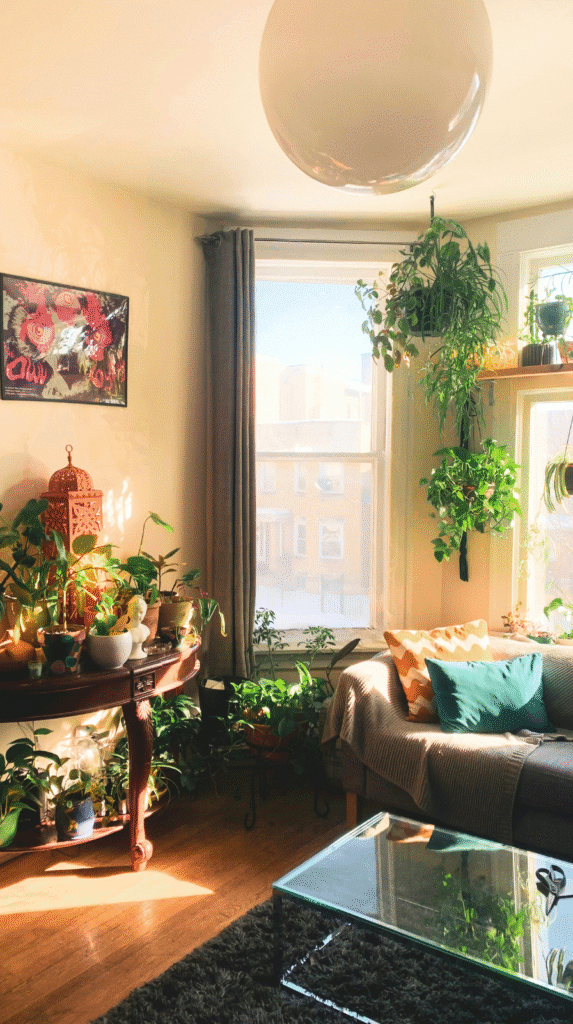
Connection to Source: Raw and Real
At its core, being “Rooted” means a return to the source. This aesthetic prioritizes raw materials interior design, favoring finishes that look like they were harvested rather than manufactured. We are seeing a surge in:
- Stone and wood interior combinations that feel ancient and sturdy.
- Linen textured home decor that adds a soft, breathable layer to living spaces.
- Biophilic home decor elements that blur the lines between the garden and the gallery.
Sensory over Visual: The Power of Texture
While the natural minimalist interior of the past was designed to be seen, the cozy earthy home aesthetic is designed to be felt. This is where linen textured home decor and organic textures home come into play. It’s the grit of a plaster wall interior trend, the coolness of a stone basin, and the warmth of a chunky wool rug. It demands a tactile response, making your home a multi-sensory experience of wellness focused home design.
Embracing Imperfection (The Wabi Sabi Influence)
The Rooted Home is the ultimate evolution of wabi sabi home decor. It is a home that feels warm and lived in because it doesn’t fear a little patina. Instead of the high-maintenance stress of a “perfect” white house, this calming home aesthetic celebrates:
- The natural aging of unlacquered metals.
- The unique grain in natural wood home decor.
- The “beautifully broken” edges of handmade ceramics.
By choosing earthy interior design, you are opting for a space that grows more beautiful with age, rather than one that requires constant “fixing” to stay pristine.
III. The Psychology: Why Are We Craving “Soil & Sun” Now?
Why is the rooted home aesthetic taking over our feeds and our floor plans? The answer lies in our collective mental state. After years of digital saturation, our brains are seeking a “sensory reset” that only an earthy interior design can provide.
The Emotional Deficit of Stark White
For a long time, we equated “all-white” with “clean.” However, psychological studies in wellness focused home design have shown that high-contrast, clinical white environments can actually trigger subconscious anxiety. A room with no shadows and no depth feels “unfinished” or “hospital-like.” It demands constant maintenance, creating a “perfectionist stress” that prevents us from truly relaxing. By contrast, a home that feels warm and lived in allows the nervous system to settle.
The “Cocooning” Effect of 2026
In an increasingly unpredictable world, our homes have shifted from being places we “show off” to being “cocoons.” The cozy earthy home aesthetic is about creating a sanctuary that feels like a physical embrace. This grounding home decor movement is a direct response to digital burnout. When your workday exists in a “cloud,” your physical space needs to feel like it’s built on solid ground. This is why organic modern home decor and calm home decor ideas are trending—they provide a “tactile anchor” in a virtual age.
The Color Psychology of “Soil & Sun”
The soil and sun color palette works on two distinct emotional levels:
- Soil Tones (Safety & Stability): The beige brown green interior and earth tone home decor provide a sense of ancient safety. Browns, deep taupes, and “mushroom” hues evoke feelings of reliability and permanence. It’s the color of the earth beneath our feet, signaling to our brains that we are secure and “grounded.”
- Sun Tones (Optimism & Comfort): While soil tones provide the base, the clay terracotta home decor and sun washed neutrals provide the spirit. These “dirty” yellows, muted ochres, and burnt siennas offer the energizing warmth of sunlight without the aggressive, artificial brightness of cool-toned LEDs.
By embracing an earthy home decor strategy, we aren’t just decorating; we are practicing a form of environmental therapy. We are trading the “shout” of bright white for the “whisper” of a peaceful interior design.
IV. Deconstructing the Palette: The New Neutrals
The soil and sun color palette is not about a single color; it is about a sophisticated layering of earth tone home decor. To achieve the rooted home aesthetic, you have to move away from primary colors and toward “muddy” or “dusty” versions of nature’s best hues.
The “Soil” Elements: The Foundation
These are your anchors. They replace the cold grays of the last decade with warm neutral home decor that feels substantial.
- Mushroom and Truffle: These are the ultimate white walls alternatives. They are rich, warm taupes that shift beautifully with the light, offering a grounded interior design base that feels much more expensive and “designed” than standard beige.
- Deep Clay and Cocoa: Use these as your “weighted” colors. They work perfectly for earthy kitchen design cabinetry or accent walls in a grounded home office decor, providing a sense of permanence.
The “Sun” Elements: The Warmth
These colors prevent a room from feeling “muddy” by injecting a soft, golden glow. These are the sun washed neutrals that make a space feel alive.
- Terracotta and Baked Earth: The hero of the earthy tones trend 2026. This isn’t the shiny orange of the 90s; it’s a matte, dusty, pink-orange that feels like ancient pottery.
- Ochre and Mustard Seed: These are muted, “dirty” yellows. They bring in a sense of history and optimism, acting as the perfect cozy earthy home aesthetic highlight.
The Supporting Cast: The “Bloom” & Bridges
To prevent the room from feeling too monochromatic, we introduce “nature’s connectors.”
- Olive and Dried Sage: An olive green interior design is the essential “bridge” color. It connects your beige brown green interior back to the forest, providing a cooling contrast to the warm sun tones.
- The “Bridge” Whites: White isn’t gone; it has just “thawed.” Swap brilliant white for unbleached cotton, sand tone interior decor, and creamy plaster. These warm neutrals allow the eye to rest without breaking the “rooted” spell.
V. Texture is Paramount: The Materials of a Rooted Home
The secret to a home that feels warm and lived in lies in the “tactile layer.” In a world of smooth glass screens, we are subconsciously starving for surfaces with depth. This section explores the raw materials interior design essentials that turn a house into a sanctuary.
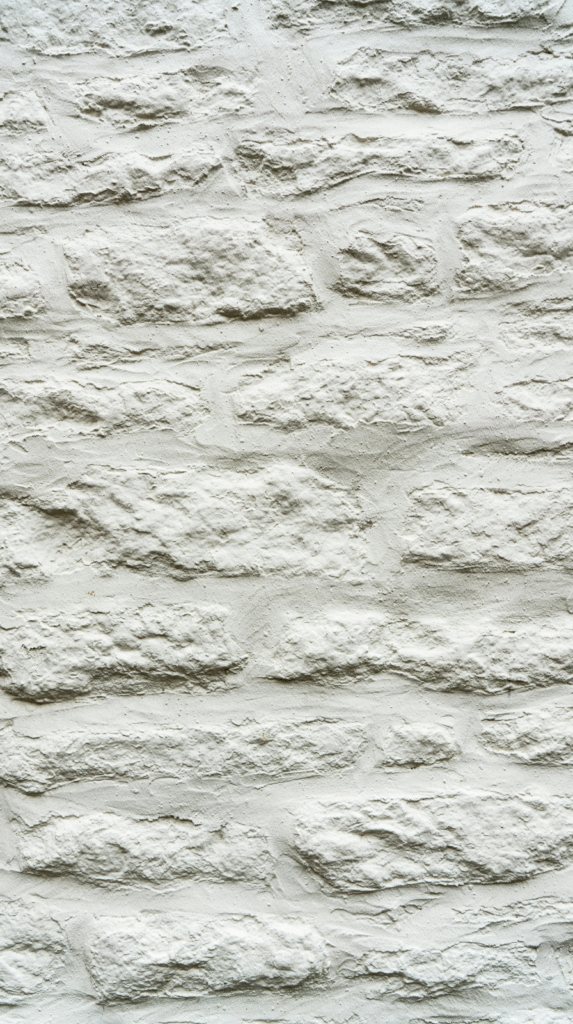
Walls That Invite Touch: The Plaster Revolution
The biggest shift in earthy interior design is the death of the “flat wall.” We are moving toward surfaces that catch the light and create natural shadows.
- Plaster Wall Interior Trend: Whether it’s genuine Roman clay or a DIY limewash paint, these finishes provide a “cloud-like” movement that flat paint can’t replicate.
- Woven Wonders: Linen textured home decor isn’t just for pillows. Grasscloth wallpapers and woven fiber panels are becoming the new standard for warm neutral bedroom ideas, adding instant acoustic softness and visual grit.
Raw and Imperfect Surfaces: The Stone & Wood Duo
To achieve a grounded interior design, your hard surfaces should look like they were “found,” not manufactured.
- Stone and Wood Interior: The pairing of natural wood home decor (think reclaimed oak or walnut with visible knots) alongside honed stone is the foundation of the organic modern aesthetic.
- Honed, Not Polished: In 2026, we are moving away from high-gloss marble. Instead, we crave the matte, “dusty” feel of travertine, soapstone, and sandstone. These materials embody wabi sabi home decor—they are porous, they age, and they tell a story of time.
Textiles That Ground the Room: The Soft Layer
A cozy earthy home aesthetic is built on layers. You want to mix weights and weaves to create a “nesting” effect.
- The Heavyweights: Chunky wool knits, bouclé, and jute rugs provide the “soil” or the heavy base of the room.
- The Lightweights: Linen textured home decor is the hero here. Raw linen bedding and sheer hemp curtains allow light to filter through while maintaining that natural minimalist interior vibe.
- Handcrafted Home Decor: Adding handcrafted home decor—like a hand-thrown ceramic vase or a hand-woven wall hanging—introduces “human texture,” breaking the monotony of machine-made lines.
[Image suggestion: A close-up of a limewash wall meeting a raw timber beam, with a textured linen chair in the foreground.]
By focusing on biophilic home decor through touch, you create a space that doesn’t just look like a magazine spread—it feels like a restorative retreat.
VI. How to Transition: Moving From Stark to Rooted
Transitioning from a cool, clinical environment to a cozy earthy home aesthetic is a process of subtraction and layering. You are removing the “cold” and replacing it with nature inspired interior design.
Addressing the Fear: “Will My House Feel Dark?”
The biggest hesitation people have when moving toward earthy home decor is the fear of losing brightness. The trick is to avoid “muddy” darkness by using sun washed neutrals.
- The 60-30-10 Rule: Keep 60% of the room in light, warm neutral home decor (like sand or unbleached linen), 30% in your mid-tone “Soil” colors (mushroom or clay), and 10% in deep “Sun” accents (burnt ochre or terracotta). This maintains the “airiness” of a natural minimalist interior while adding the depth of a grounded home.
The Importance of Warm Lighting: The 2700K Rule
You can have the most beautiful earth tone color palette in the world, but if your lightbulbs are “Daylight” (5000K) or “Cool White,” your home will still feel like a pharmacy.
- To make soil and sun color palette tones glow, you must switch to 2700K (Warm White) bulbs.
- Layered Lighting: Move away from harsh overhead “big lights.” Use floor lamps with linen shades and amber-toned LED candles to create the soft, flickering warmth essential for a calm home aesthetic.
The “Baby Steps” Approach to a Rooted Home
You don’t have to paint everything today. Use this phased approach to ease into the 2026 home decor trends:
- Phase 1: The Textile Swap (The “Soft” Change) Replace your bright white or cool gray throw pillows and blankets with linen textured home decor in oatmeal, sage, or “mushroom.” This immediately breaks the “stark” spell.
- Phase 2: Introducing Earthy Accents Swap glass or chrome vases for handcrafted home decor like unglazed pottery and clay terracotta home decor. Bring in natural wood home decor through small stools, trays, or picture frames.
- Phase 3: The Wall Transformation Once you’re comfortable with the tones, tackle the walls. Use a plaster wall interior trend like limewash on a single accent wall or the entire room. This provides the ultimate peaceful interior design backdrop that ties the whole rooted home decor look together.
VII. Room-by-Room Inspiration for the Rooted Aesthetic
To successfully pull off the 2026 home decor trends, you need to balance the utility of each room with the softness of organic modern home decor. Here is how to ground every corner of your house.
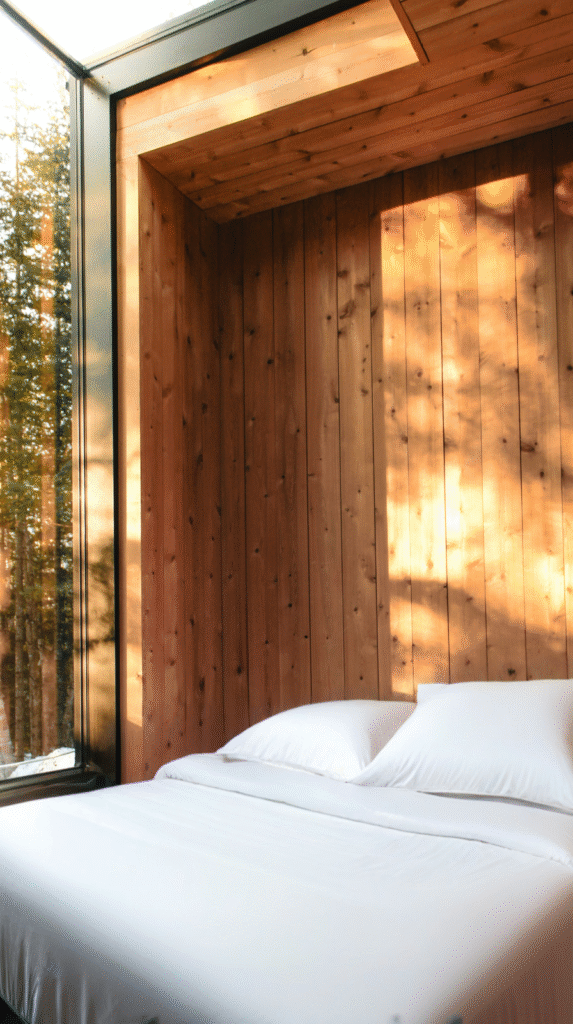
The Living Room Lounge: The Ultimate Anchor
The earthy living room decor strategy is all about low-slung profiles and heavy textures.
- The Foundation: Start with a large jute or sisal rug to provide that grounded interior design base.
- The Seating: Opt for sofas in linen textured home decor or nubby bouclé in a sand tone interior decor.
- The Details: Layer in natural wood home decor via a reclaimed timber coffee table. The goal is to create a “conversation pit” feel that encourages slow living home decor and relaxation.
The Sanctuary Bedroom: A Restorative Cocoon
For warm neutral bedroom ideas, focus on “visual silence.” This room should be the pinnacle of your calming home aesthetic.
- The Walls: Use a soft “Mushroom” or “Dried Sage” plaster wall interior trend to create a velvety, matte backdrop that absorbs sound.
- The Bedding: Layer multiple tones of earth tone home decor—think clay-colored duvet covers with ochre shams and unbleached cotton sheets.
- The Light: Use warm neutral home decor lampshades that diffuse light into a golden, honeyed glow, perfect for a cozy earthy reading nook.
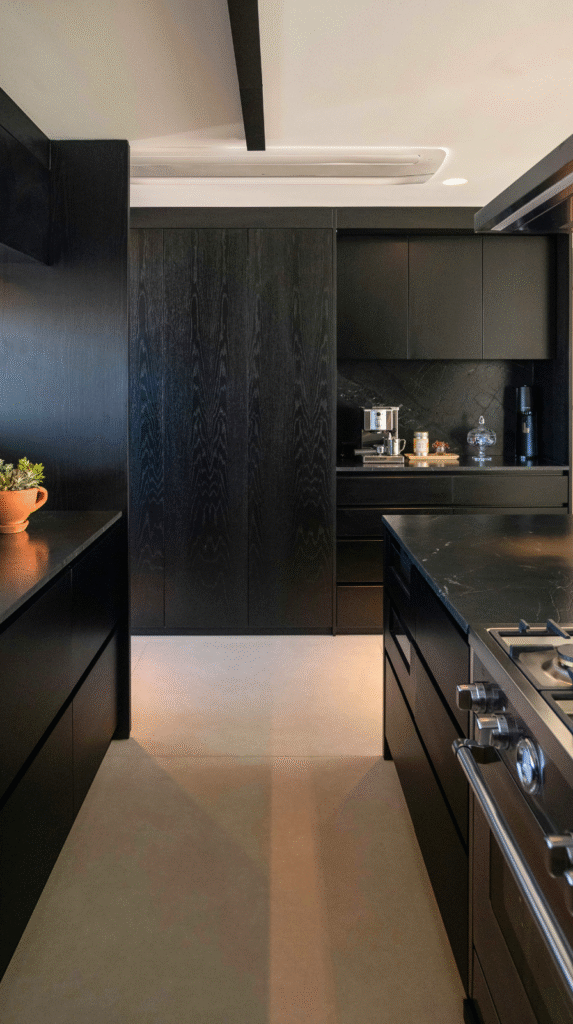
The Organic Kitchen: Warmth Over White
The “all-white” kitchen is officially being replaced by the earthy kitchen design.
- Cabinetry: Swap high-gloss finishes for natural wood home decor cabinets or deep “Soil” tones like cocoa and forest green.
- Backsplash: Use Zellige tiles or clay terracotta home decor accents to introduce “perfectly imperfect” handcrafted vibes.
- Styling: Display handcrafted home decor like wooden dough bowls and unglazed ceramic canisters on open shelving to reinforce the biophilic home decor theme.
The Spa Bathroom: Tactile Purity
In the bathroom, the rooted home aesthetic leans into mineral elements.
- Walls & Floors: Consider stone and wood interior elements, such as travertine tiles or Tadelakt (waterproof plaster) walls in a sun washed neutrals palette.
- Fixtures: Move away from chrome. Choose aged brass or copper fixtures that will develop a natural patina over time, embodying the wabi sabi home decor philosophy.
- The Vibe: Add a small teak stool and some dried eucalyptus to create a wellness focused home design that feels like a private desert spa.
VIII. Frequently Asked Questions (FAQ)
Transitioning to a rooted home aesthetic often comes with a few hesitations. Here are the most common questions about adopting this 2026 home decor trend.
Is gray officially “out” for 2026?
The short answer: Cool, blue-based “Millennial Gray” is officially out. It feels too clinical for the current grounded interior design movement. However, gray isn’t gone—it has just evolved. We are seeing a shift toward “Greige” and “Mushroom,” which are warm, brownish-grays. These warm neutrals offer the versatility of gray but with the soul and depth of earthy home decor.
Can I mix the Rooted aesthetic with my existing modern furniture?
Absolutely. In fact, this is exactly how the organic modern aesthetic was born. The contrast of sleek, mid-century modern lines against a plaster wall interior trend or a linen textured home decor backdrop creates a sophisticated, high-end look. The key is balance: if your furniture is “hard” and modern, soften the space with earth tone home decor and organic textures.
Isn’t terracotta outdated from the 90s?
The terracotta of 2026 is a far cry from the shiny, bright orange tiles of the 1990s. Today’s clay terracotta home decor is matte, dusty, and leans more toward “dried rose” or “burnt sienna.” It is inspired by ancient Mediterranean and Southwestern nature inspired interior design, focusing on a sun-baked, mineral look rather than a high-gloss finish.
How do I start if I have a small, dark apartment?
Many fear that an earth tone color palette will make a small space feel like a cave. The secret is to use sun washed neutrals like sand, oatmeal, and light ochre. These tones reflect light just as well as white, but they do so with a “golden hour” glow that feels much more inviting than a stark white box. Use calm home decor ideas like light-colored jute rugs to keep the space feeling open.
IX. Conclusion: Homecoming
The rooted home aesthetic is more than just a palette of beige brown green interior tones; it is a movement toward a more intentional, human way of living. As we move further into 2026, our homes are no longer just places where we store our belongings—they are the foundations of our mental well-being.
By choosing a soil and sun color palette, you are choosing to embrace imperfection, warmth, and the beauty of the natural world. Whether you start small with a few linen textured pillows or go all-in with plaster walls and natural wood home decor, the goal is the same: to create a home that feels warm and lived in.
It’s time to stop living in a gallery and start living in a sanctuary. Welcome home.
Which part of the rooted home aesthetic are you most excited to try? Are you team “Soil” (deep taupes and clays) or team “Sun” (warm ochres and terracottas)? Let us know in the comments below! If you’re ready to start your transition.