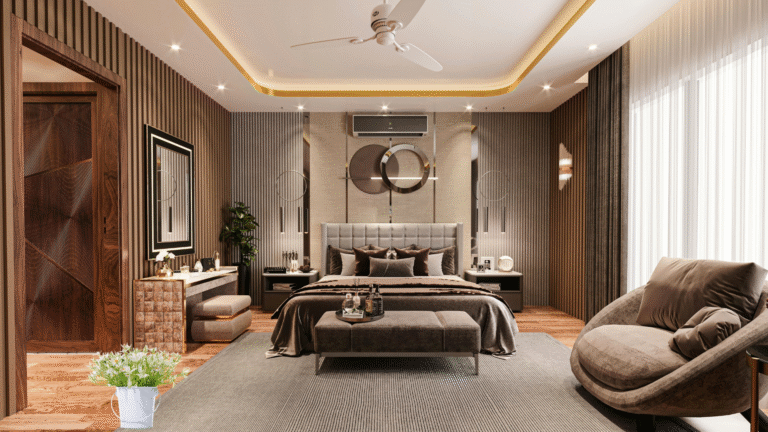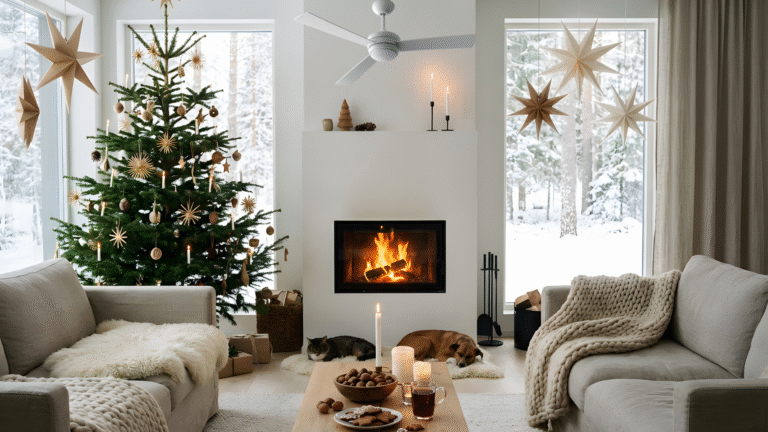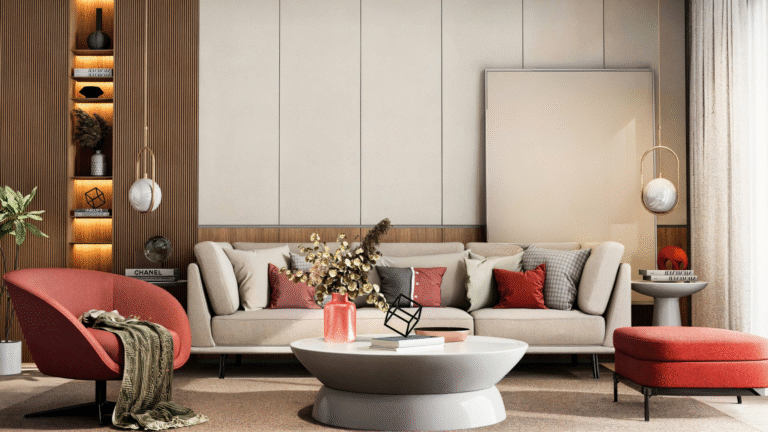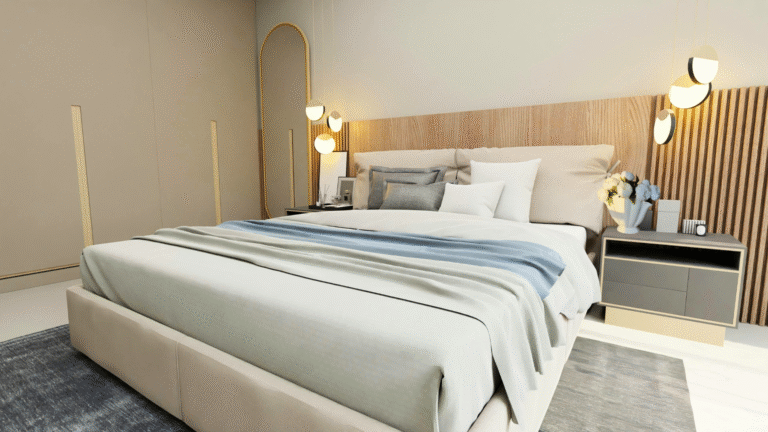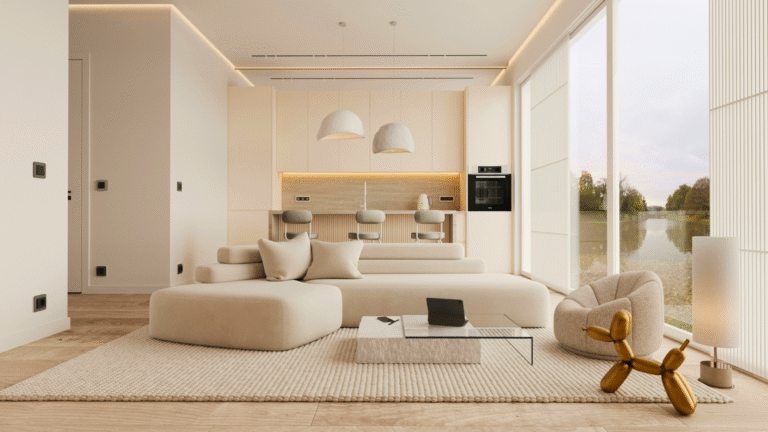
Creating a cozy modern design in your home is all about striking the right balance between simplicity and warmth. A warm minimalist living room is perfect for those who crave a calm and serene space that still feels welcoming.

To achieve this inviting atmosphere, layering raw textures is key. By incorporating natural materials and neutral colors, you can add depth and visual interest to your room without cluttering it with too many decorative items.
Key Takeaways
- Layer raw textures to create a cozy atmosphere.
- Incorporate natural materials for added warmth.
- Use neutral colors to maintain a serene ambiance.
- Avoid cluttering the room with too many decorative items.
- Balance simplicity and warmth for a welcoming space.
Understanding the Warm Minimalist Living Room Aesthetic
In the realm of interior design, warm minimalism stands out as a style that beautifully balances simplicity with coziness. This aesthetic has evolved from the colder, more austere versions of minimalism, incorporating elements that make a space feel inviting and comfortable.
Explore more of our Minimalist Decor Guides to simplify your space without losing the soul of your home.
The Evolution from Cold to Warm Minimalism
Minimalist design has undergone a significant transformation, shifting from a cold, stark aesthetic to a warmer, more welcoming one. This evolution is characterized by the incorporation of natural materials, textures, and subtle color variations, making spaces feel more lived-in and cozy.
Key Principles of Warm Minimalism
The core of warm minimalism lies in its simplicity, combined with a thoughtful use of texture, color, and natural elements. It’s about creating a calm, uncluttered space that still feels warm and inviting. Key principles include the use of neutral color palettes, natural materials, and a mix of textures to add depth.
Scandinavian Influences on Warm Minimalism
Scandinavian design has played a significant role in shaping the warm minimalist aesthetic. Known for its emphasis on simplicity, functionality, and coziness, Scandinavian interior design principles have influenced the way we approach warm minimalism, focusing on comfort and the use of natural materials.
Why Texture Matters in Minimalist Spaces
Texture plays a crucial role in minimalist spaces, as it adds depth and visual interest. In warm minimalism, texture is used to create a cozy and inviting atmosphere, through the use of materials like wool, linen, and wood.
| Element | Characteristics | Contribution to Warm Minimalism |
|---|---|---|
| Natural Materials | Wood, Stone, Plants | Adds warmth and texture |
| Neutral Colors | Soft Whites, Beige, Taupe | Creates a calm, serene atmosphere |
| Textiles | Linen, Wool, Cotton | Provides coziness and tactile experience |
The Psychology of Texture in Creating Comfort
The psychology behind texture reveals its significant impact on our perception and emotional connection to a space. Texture is not just a visual element; it’s also tactile, engaging our sense of touch and influencing our mood and comfort level.
How Textures Affect Mood and Perception
Different textures can evoke various emotional responses. For instance, soft fabrics like wool or cotton can create a sense of warmth and coziness, while smooth surfaces like wood or stone can convey a feeling of calmness and serenity. Understanding how different textures affect our mood can help in designing a space that feels emotionally connected and comforting.

Balancing Visual and Tactile Elements
Achieving a balance between visual and tactile textures is crucial. While visual textures can add depth and interest to a room, tactile textures invite interaction and can enhance the sense of comfort. Combining these elements thoughtfully can create a rich sensory experience.
Creating Emotional Connections Through Texture
Textures can also be used to create emotional connections to a space. For example, incorporating natural materials like wood or plants can foster a sense of connection to nature, enhancing the feeling of warmth and comfort in a minimalist living room.
Texture as a Substitute for Decorative Objects
In a minimalist space, texture can serve as a substitute for decorative objects, adding depth and interest without cluttering the space. This approach aligns with the principles of minimalism while maintaining a cozy and inviting atmosphere.
Essential Raw Materials for a Warm Minimalist Living Room
Incorporating the right raw materials can transform a minimalist living room into a warm and inviting space. The key to achieving this lies in understanding the role of various natural elements that add texture, depth, and warmth to the room.
Using sustainable jute and organic linen adds an earthy, raw dimension that synthetic fabrics simply can’t mimic.”
Natural Woods and Their Characteristics
Natural woods bring a sense of warmth and coziness to a minimalist living room. Different types of wood, such as oak, walnut, and pine, offer unique characteristics in terms of grain, color, and texture. For instance, oak wood is known for its durability and prominent grain, while walnut is prized for its rich, dark hue.
| Type of Wood | Characteristics | Uses in Minimalist Design |
|---|---|---|
| Oak | Durable, prominent grain | Furniture, flooring |
| Walnut | Rich, dark color | Accent furniture, wall paneling |
| Pine | Light color, soft texture | Rustic decor, ceiling treatments |
Stone and Concrete Elements
Stone and concrete elements introduce a sense of solidity and earthiness to a warm minimalist living room. These materials can be used for fireplace surrounds, coffee tables, or accent walls, adding visual interest and texture.
Quote from a Design Expert:
“The use of natural stone or concrete can dramatically change the ambiance of a room, making it feel more grounded and connected to the earth.” –
Alexandra Field, Interior Designer
Organic Textiles: Linen, Cotton, and Wool
Organic textiles such as linen, cotton, and wool are essential for adding softness and warmth to a minimalist living room. These materials can be used for upholstery, throw blankets, and rugs, enhancing the tactile experience of the space.

Rattan, Jute, and Other Natural Fibers
Rattan, jute, and other natural fibers offer additional textural elements that can be incorporated through furniture, baskets, or wall hangings. These materials bring a natural, earthy feel to the room.
Leather and Suede Applications
Leather and suede applications can add a luxurious touch to a warm minimalist living room. Used in furniture upholstery or as accent pieces, these materials introduce a new level of sophistication and comfort.
By thoughtfully incorporating these raw materials, you can create a warm minimalist living room that feels inviting and cozy, perfect for relaxation and socializing.
Crafting Your Neutral Color Palette
To achieve a warm minimalist aesthetic, it’s crucial to develop a neutral color palette that feels cozy and welcoming. A well-crafted neutral palette serves as the foundation for a warm and inviting living room, allowing the beauty of raw textures to shine.

Selecting Base Neutrals That Feel Warm
The first step in creating your neutral color palette is selecting base neutrals that evoke warmth. Consider shades like beige, taupe, or soft terracotta, which can add a cozy feel to your space. These earthy tones can be used for larger elements like walls and furniture, setting the tone for the rest of your decor.
Adding Depth with Tonal Variations
To prevent your space from feeling flat, incorporate tonal variations within your neutral palette. This can be achieved by using different shades of your chosen neutral color across various elements, such as lighter walls and darker furniture. This layering adds depth and visual interest to your living room.
Incorporating Subtle Accent Colors
While maintaining a neutral base, you can introduce subtle accent colors to add personality to your space. Soft greens, muted blues, or warm yellows can be incorporated through accessories or smaller decorative items, providing a touch of color without overwhelming the senses.
Color Psychology in Minimalist Spaces
Understanding color psychology is crucial in creating a space that feels calm and serene. Neutrals like beige and gray can promote relaxation, while earthy tones can bring a sense of connection to nature. Consider the emotional impact of your color choices when crafting your palette.
The 60-30-10 Rule for Minimalist Color Distribution
A helpful guideline for distributing colors in your minimalist living room is the 60-30-10 rule. Allocate 60% of your space to a dominant neutral color, 30% to a secondary color or texture, and 10% to an accent color. This balance ensures a harmonious and visually appealing space.
Foundational Furniture Pieces for Textural Layering
Creating a warm minimalist living room involves more than just choosing the right color palette; it requires carefully selecting foundational furniture pieces that add texture and depth. The right furniture can transform a space, making it feel cozy and inviting.
Selecting Sofas and Seating with Tactile Appeal
When it comes to functional furnishings, sofas and seating are crucial. Look for pieces with tactile appeal, such as those made from natural materials like linen or wool. A sofa with a textured fabric can become a focal point in the room, adding warmth to the minimalist aesthetic.

Coffee and Side Tables with Character
Coffee and side tables can add significant character to a room. Consider tables made from natural woods or stone, which bring in an organic feel. These pieces not only serve a functional purpose but also contribute to the cozy modern design by adding texture and visual interest.
Storage Solutions That Add Textural Interest
Storage solutions are essential in a minimalist space, where clutter is kept to a minimum. Choose storage units made from materials like woven baskets or reclaimed wood to add textural variety. These elements help maintain the room’s warmth and coziness.
Balancing Form and Function
The key to a successful warm minimalist design is balancing form and function. Furniture should not only look good but also serve a practical purpose. By focusing on functional furnishings, you can create a space that is both beautiful and livable.
Investment Pieces vs. Accent Furniture
When selecting furniture, it’s essential to differentiate between investment pieces and accent furniture. Investment pieces, like a high-quality sofa, are worth spending more on because they will be used frequently. Accent furniture, on the other hand, can be more budget-friendly and used to add seasonal or trendy touches to the room.
By thoughtfully choosing foundational furniture pieces, you can create a warm and inviting living room that embodies the principles of cozy modern design. The result is a space that feels like a warm hug, perfect for relaxing and enjoying time with family and friends.
The Art of Layering Textiles in a Minimalist Space
In a minimalist space, the strategic layering of textiles can make all the difference in achieving a warm and welcoming ambiance. This technique not only adds depth but also creates a cozy atmosphere that invites relaxation. By thoughtfully combining different textures, you can enhance the aesthetic of your living room while maintaining its simplistic decor ideas.
Strategic Rug Placement and Selection
The right rug can anchor your living room and tie together various textures. When selecting a rug, consider the material, size, and color to ensure it complements your existing decor. A natural fiber rug can add warmth underfoot, while a subtle pattern can enhance visual interest without cluttering the space.
Throw Pillows: Mixing Textures Without Clutter
Throw pillows are a versatile way to introduce various textures into your minimalist living room. By mixing different materials such as linen, velvet, and cotton, you can create a visually appealing and inviting space ambiance. The key is to balance textures without over-accessorizing, maintaining a clean and uncluttered look.
Blankets and Throws as Functional Decor
Blankets and throws are not only functional but also serve as decorative elements that can add texture and warmth to your space. Choose materials that are soft to the touch and visually appealing. Drape them over your sofa or armchair to create a cozy nook that invites relaxation.
Window Treatments That Add Softness
Window treatments can significantly impact the ambiance of your living room. Opt for soft, flowing curtains or Roman shades made from natural fabrics to add a layer of softness. These treatments can filter light and create a warm, inviting glow in your space.
Seasonal Textile Rotation for Continued Interest
To keep your minimalist living room fresh and interesting, consider rotating your textiles seasonally. This can involve swapping out throw pillows, blankets, or even rugs to reflect the current season. It’s a simple way to refresh your space without undertaking a major redecoration.
By mastering the art of layering textiles, you can create a warm and inviting minimalist living room that feels like a true retreat. It’s all about balancing different textures and elements to achieve a harmonious and cozy space.
Incorporating Natural Elements and Biophilic Design
Bringing the outdoors in is a key element of warm minimalist design. By incorporating natural elements and biophilic design principles, you can create a living room that feels connected to nature and promotes a sense of calm.
Plants as Textural Elements
Plants are not just decorative; they add a vital textural element to your space. Choose low-maintenance plants like succulents or air plants that fit the Scandinavian interior style’s emphasis on simplicity and functionality.
Natural Decorative Objects
Incorporating natural decorative objects such as river rocks, driftwood, or shells can add visual interest and depth to your minimalist space. These elements bring a touch of the outdoors in, enhancing the biophilic design.
Creating Connection to the Outdoors
To create a seamless transition between indoors and outdoors, consider large windows, sliding glass doors, or mirrors that reflect natural scenery. This connection to nature is a hallmark of contemporary home aesthetics.
Low-Maintenance Options for Plant-Averse Homeowners
For those who aren’t keen on maintaining plants, there are alternatives. High-quality artificial plants or botanical prints can mimic the look of real plants without the upkeep, still contributing to a warm and inviting atmosphere.
Sustainable Material Choices
When selecting materials for your warm minimalist living room, opt for sustainable choices. Reclaimed wood, bamboo, and eco-friendly textiles not only reduce environmental impact but also add warmth and character to your space.
By thoughtfully incorporating natural elements and embracing biophilic design, you can create a warm minimalist living room that is both beautiful and environmentally conscious.
Lighting Strategies to Enhance Texture and Warmth
To create a truly inviting warm minimalist space, it’s essential to consider lighting strategies that accentuate texture and warmth. Lighting can dramatically transform the ambiance of a room, making it feel cozier and more welcoming.
Layering Different Light Sources
A well-designed lighting plan involves layering different light sources to create depth and visual interest. This can include a combination of overhead lighting, table lamps, and floor lamps. By mixing these sources, you can achieve a balanced lighting effect that highlights the textures in your warm minimalist living room.
Selecting Fixtures with Textural Interest
The fixtures you choose can add significant textural interest to your space. Consider lamps made from natural materials like wood, rattan, or metal with unique textures. These elements can enhance the cozy feel of your cozy modern design.
How Light Interacts with Different Textures
Understanding how light interacts with various textures is crucial. For instance, soft fabrics like linen or cotton can create a warm glow when lit from within, while rough textures like jute or stone can cast interesting shadows, adding depth to your space.
Creating Ambiance Through Lighting
Lighting can be used to create different ambiances within your warm minimalist living room. Dimmable lights allow you to adjust the mood of the room, from bright and energizing to soft and relaxing. This flexibility is key to making your space feel truly inviting.
Natural Light Optimization Techniques
Maximizing natural light is also essential. Use sheer curtains or blinds to control the amount of light entering your room. Mirrors can be strategically placed to reflect natural light, making your space feel brighter and more welcoming.
By implementing these lighting strategies, you can enhance the texture and warmth of your warm minimalist living room, creating a cozy and inviting atmosphere that feels like a warm embrace.
Conclusion: Maintaining Your Warm Minimalist Living Room
Creating a warm minimalist living room is just the beginning. To keep this space feeling cozy and inviting, it’s essential to maintain the balance of raw textures and neutral tones. By incorporating simplistic decor ideas and sticking to a neutral color palette, you can ensure your living room remains a calming retreat.
Regularly layering textiles, such as throw blankets and pillows, can add depth to your space. Don’t be afraid to mix different materials, like linen and wool, to create a visually interesting atmosphere. Additionally, incorporating natural elements, such as plants or a vase with branches, can bring warmth and character to your room.
To maintain the integrity of your warm minimalist design, avoid cluttering your space with too many decorative items. Instead, focus on a few statement pieces that reflect your personal style. By doing so, you’ll create a space that feels like a warm hug, perfect for relaxing and unwinding.
FAQ
What is warm minimalist living room design?
Warm minimalist living room design is a style that combines the simplicity of minimalism with the coziness of warm, inviting elements, creating a calm and serene space that feels welcoming.
How do I achieve a warm minimalist aesthetic in my living room?
To achieve a warm minimalist aesthetic, incorporate natural materials, neutral colors, and thoughtful decor, and layer different textures to add depth and visual interest to your room.
What role does texture play in creating a warm minimalist living room?
Texture plays a significant role in creating a warm and welcoming minimalist space by adding depth and visual interest, and can be achieved through the use of natural materials, textiles, and other elements.
What are some essential raw materials for a warm minimalist living room?
Essential raw materials for a warm minimalist living room include natural woods, stone, concrete elements, organic textiles like linen, cotton, and wool, and natural fibers like rattan and jute.
How do I create a neutral color palette for my warm minimalist living room?
To create a neutral color palette, select base neutrals that feel warm, add depth with tonal variations, and incorporate subtle accent colors, and consider using the 60-30-10 rule to distribute colors in a balanced way.
What kind of furniture pieces are suitable for a warm minimalist living room?
Suitable furniture pieces for a warm minimalist living room include sofas and seating with tactile appeal, coffee and side tables with character, and storage solutions that add textural interest, while balancing form and function.
How can I incorporate natural elements into my warm minimalist living room?
You can incorporate natural elements into your warm minimalist living room by using plants as textural elements, adding natural decorative objects, and creating a connection to the outdoors through biophilic design.
What lighting strategies can enhance the texture and warmth of my warm minimalist living room?
To enhance the texture and warmth of your warm minimalist living room, layer different light sources, select fixtures with textural interest, and understand how light interacts with different textures to create a warm and inviting ambiance.
How can I maintain my warm minimalist living room?
To maintain your warm minimalist living room, incorporate the principles outlined, such as layering raw textures, using a neutral color palette, and incorporating natural elements, and be mindful of your decor and design choices.