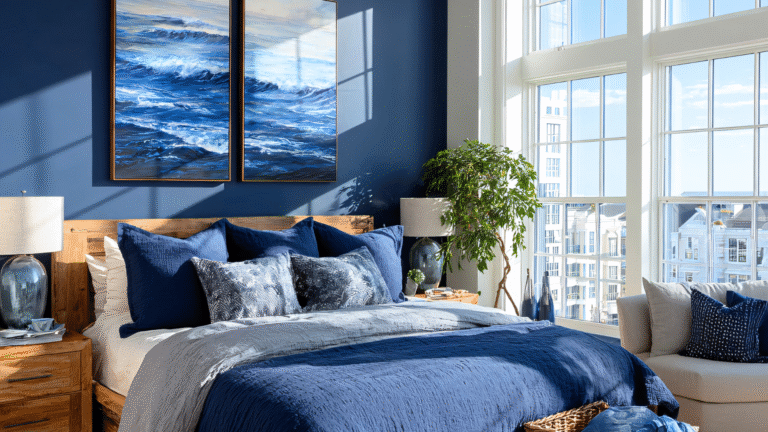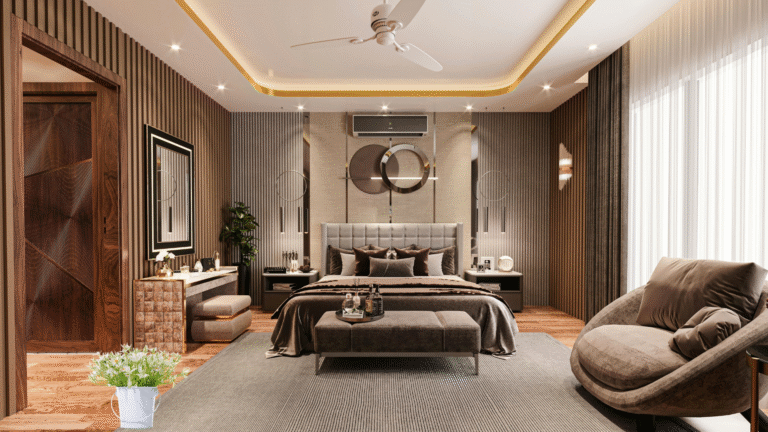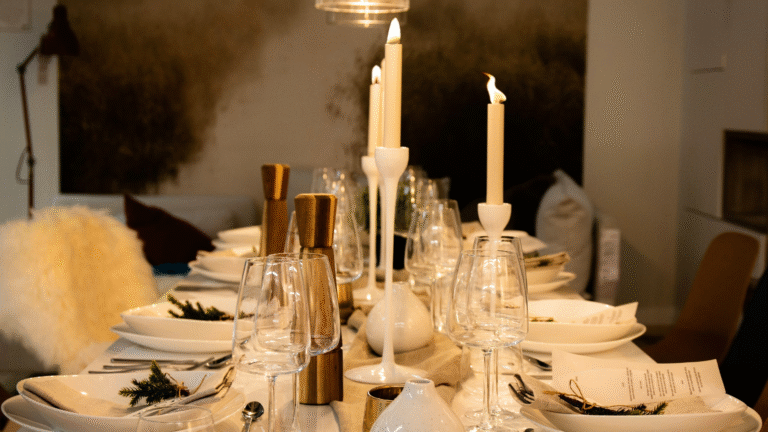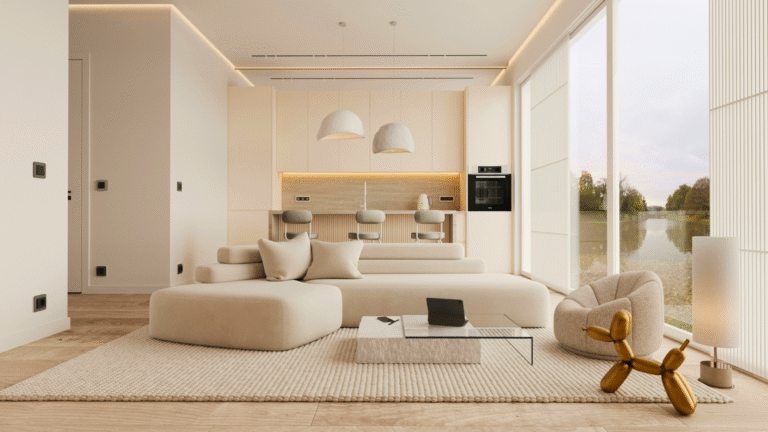
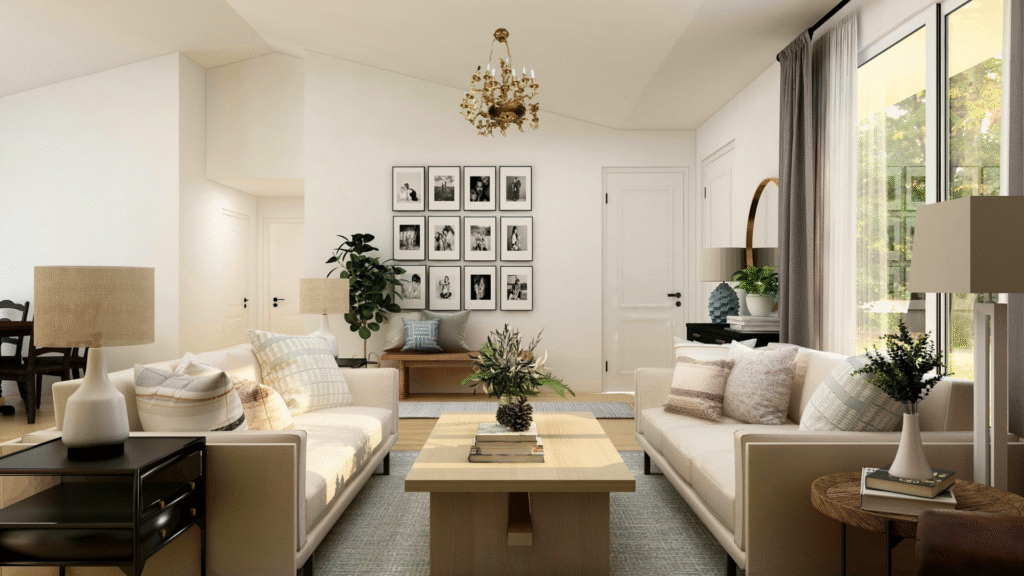
Have you ever looked around your home and felt a strange disconnect—as if the beautiful items surrounding you were just “things” with no story and no soul? In the rush of our modern lives, we often settle for “fast decor” that looks good for a season but leaves us feeling empty. But as we step into 2026, a beautiful revolution is happening. We are finally coming home to the earth.
Creating an earth-first home decor sanctuary is no longer just a trend; it’s a lifestyle shift toward warm minimalism sustainable homes that breathe with us. It’s about moving away from the clinical and the plastic, and instead, embracing an earthy vibrancy color palette for interiors that grounds our souls the moment we walk through the door.
If you’ve been dreaming of a space that reflects your values, you’re in the right place. From the rising sustainable home decor trends 2026 is bringing to our doorsteps to the quiet luxury of natural materials interior design, we are exploring how to build a space that is as kind to the planet as it is to your well-being. Imagine a room anchored by reclaimed wood furniture and softened by organic cotton, hemp, linen upholstery—a place where biophilic design for homes isn’t just a buzzword, but a lived experience of indoor plants and vertical gardens that purify your air and calm your mind.
In this guide, we’ll dive deep into eco-friendly interior design ideas that don’t sacrifice style for ethics. We are talking about the tactile beauty of wood, cork, bamboo interiors, the safety of low-VOC paints and natural textiles, and the breathtaking impact of living walls in home design. Whether you are drawn to eco-friendly farmhouse and Japandi styles or you want to master the art of carbon-neutral interior design, I’m going to show you how to layer natural fabrics and organic textures in sustainable interiors to create a home that feels alive.
From soft sustainable lighting fixtures for modern rooms to the charm of locally crafted furniture and handmade decor, let’s discover how to use recycled and reclaimed materials decor to tell a story of renewal. Your home should be your sanctuary—a masterpiece of sustainable luxury interiors where every bamboo, cork, and recycled glass decor piece serves a purpose. It’s time to embrace the beauty of curved furniture and organic shapes in 2026 and build a home that truly blooms.
Section 1: AI-Powered Indoor Gardens & Smart Biophilia
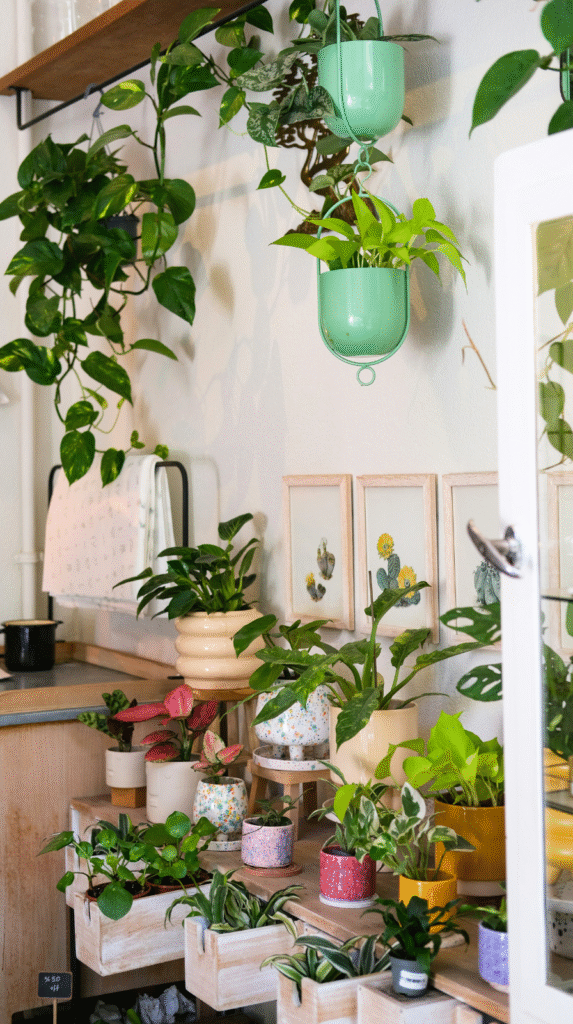
In 2026, the concept of a “houseplant” has undergone a radical transformation. We are moving beyond the single potted fern in the corner and entering the era of the “Kitchen Garden”—a seamless blend of technology and nature that allows even the most time-pressed urbanite to cultivate a thriving ecosystem.
The Rise of the Smart Kitchen Garden One of the most exciting sustainable home decor ideas 2026 has brought us is the integration of AI-powered hydroponic systems into our daily living spaces. Imagine a sleek, minimalist wall panel—no larger than a bookshelf—that uses smart sensors to monitor your plants’ health in real-time. These systems aren’t just for show; they are designed for carbon-neutral interior design, using energy-efficient LEDs that mimic the sun’s natural spectrum to grow nutrient-dense microgreens, basil, and cilantro right on your countertop.
Why it’s a 2026 Essential:
- Automated Care: AI-timed water and light cycles mean you no longer need a “green thumb.” The system learns exactly how much hydration your specific herbs need, reducing water waste by up to 90% compared to traditional gardening.
- Health & Wellness: These indoor plants and vertical gardens do more than just provide fresh food; they act as powerful air purifiers. Science shows that biophilic design for homes can reduce cortisol levels by 22%, helping the “city chaos” melt away the moment you step into your kitchen.
- Minimalist Aesthetic: Forget clunky plastic tubs. The 2026 look features gardens made from recycled aluminum, bamboo, and cork, designed to look like a piece of modern sculpture.
Lily’s Styling Tip: To truly lean into the eco-friendly farmhouse and Japandi styles, frame your smart garden with reclaimed wood shelving. The contrast between the high-tech glow of the garden and the weathered, organic grain of the wood creates that “Warm Modern” balance we love. By positioning your vertical garden near a seating area, you create a “Living Wall” that provides a soothing, acoustic softness to the room, making it the ultimate spot for a mindful morning coffee.
Section 2: The Reclaimed Wood Revolution
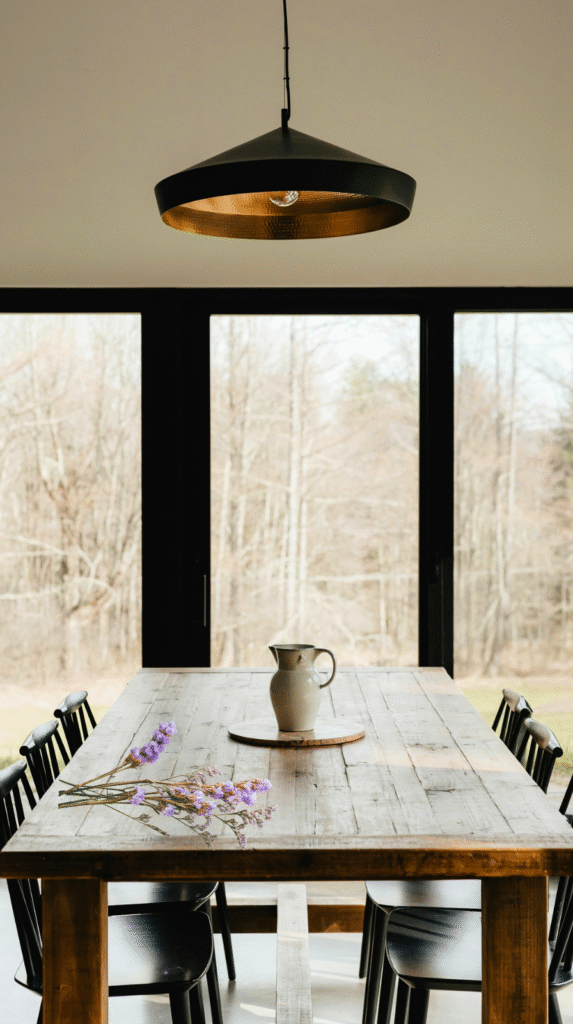
In 2026, the trend for reclaimed wood furniture has evolved from the “rustic barn” look to a more sophisticated, high-end aesthetic known as Modern Heritage. It’s no longer just about being “green”; it’s about the soul and the story that aged timber brings to a warm minimalism sustainable home.
Why Reclaimed Wood is the 2026 Anchor:
- Material Honesty: Designers are moving away from flat, mass-produced veneers. Today, we celebrate “imperfections” like natural knots, mineral streaks, and a rich patina that only time can create.
- The “Mixed Wood” Trend: One of the top sustainable home decor trends 2026 is mixing wood tones. Instead of matching your set, try pairing a dark walnut reclaimed dining table with lighter maple chairs. This creates a curated, collected-over-time vibe.
- Sculptural Forms: We are seeing organic shapes and curved furniture made from salvaged beams. Think of a coffee table with a “live-edge” top or a side table with soft, rounded edges that feel gentle and approachable.
Lily’s Styling Tip: Use reclaimed wood for your “Statement Surfaces”—like a chunky floating shelf or a kitchen island top. When you pair this weathered wood with sleek, locally crafted furniture, you create a beautiful tension between the old and the new. It’s the ultimate way to show that eco-friendly interior design ideas can be incredibly luxurious.
Section 3: “Bio-Textural” Fabrics: The New Luxury
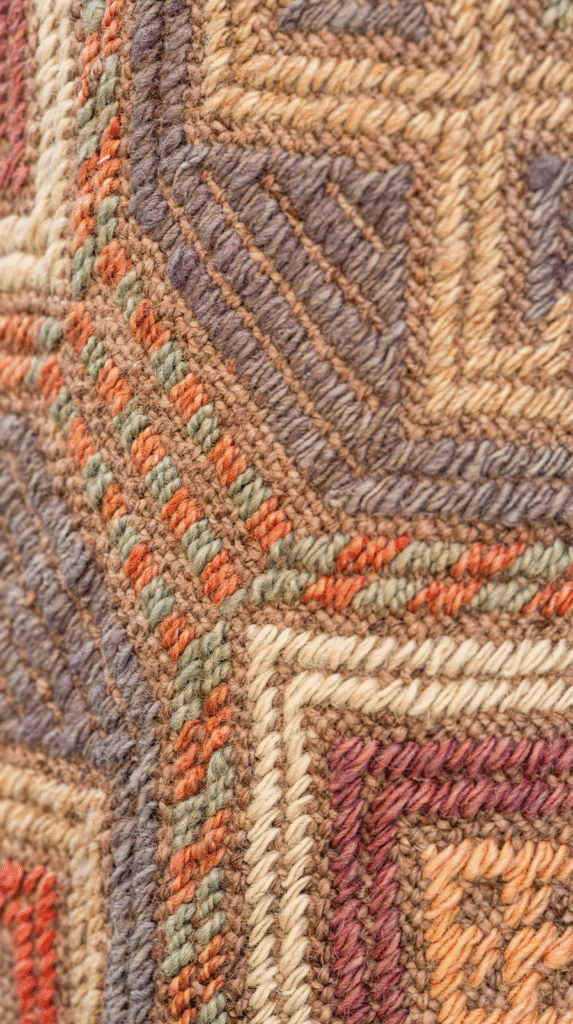
If you want to stay ahead of the curve in 2026, you have to look at what’s covering your sofas and chairs. We are seeing a massive shift toward natural fabrics and organic textures in sustainable interiors, moving far beyond basic polyester.
The “Hero” Fabrics of 2026:
- Pineapple Leather (Piñatex): This is the “Gold Standard” for sustainable luxury interiors. Made from the waste fibers of pineapple leaves, it has a beautiful, slightly wrinkled texture and is incredibly durable. It’s the perfect choice for recycled and reclaimed materials decor that feels modern and chic.
- The Hemp Revival: Hemp is no longer “scratchy.” In 2026, we have high-end organic cotton, hemp, linen upholstery blends that feel as soft as silk but are strong enough for a high-traffic family room.
- Mushroom Silk & Mycelium: For those looking for carbon-neutral interior design, mycelium-based materials are being used for everything from “leather” cushions to sound-absorbing wall panels.
How to Use Them: When thinking about how to decorate a modern living room sustainably, layer these textures. Place a Piñatex (pineapple leather) accent chair next to a sofa draped in a heavy, cream-colored organic hemp throw. These natural materials interior design choices don’t just look good; they are breathable, hypoallergenic, and biodegradable, making your home a healthier place to live.
Section 4: The Earthy Palette: Clay, Terracotta & Mineral Paints
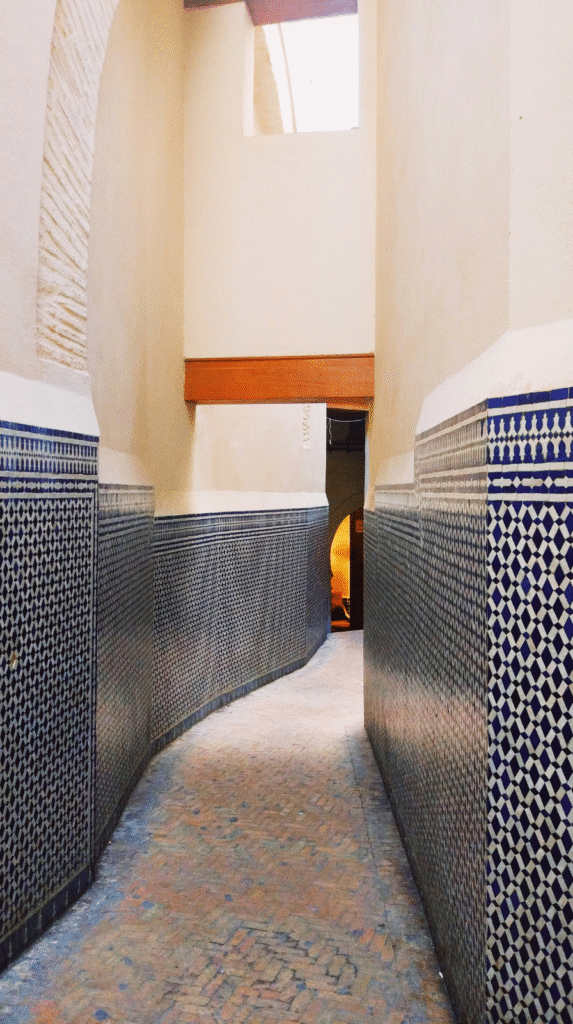
In 2026, the “white box” apartment is a thing of the past. We are entering the era of the earthy vibrancy color palette for interiors. This trend isn’t just about the color on the wall; it’s about the health of the person inside the room.
The Magic of Limewash and Mineral Paints: To achieve a truly carbon-neutral interior design, designers are ditching standard acrylics for low-VOC paints and natural textiles. Mineral-based paints like Limewash are the breakout stars of 2026.
- Breathable Walls: Unlike plastic-based paints that “seal” your room, mineral paints allow your walls to breathe, naturally regulating humidity and preventing mold.
- The “Luminous” Effect: Because these paints are made from crushed stone and lime, they reflect light in a soft, mottled way that looks like a high-end European villa.
- 2026 Color Favorites: Look for “Sensorial Brown,” “Muted Sage,” and the ever-popular “Sun-Baked Terracotta.” These tones create a warm minimalism sustainable home that feels grounded and safe.
Lily’s Styling Tip: Don’t just paint the walls—paint the ceiling! “Color drenching” a room in a soft, clay-toned mineral paint creates a “visual embrace” that makes large rooms feel intimate and soulful.
Section 5: Soft Sustainable Lighting & Artisan Accents
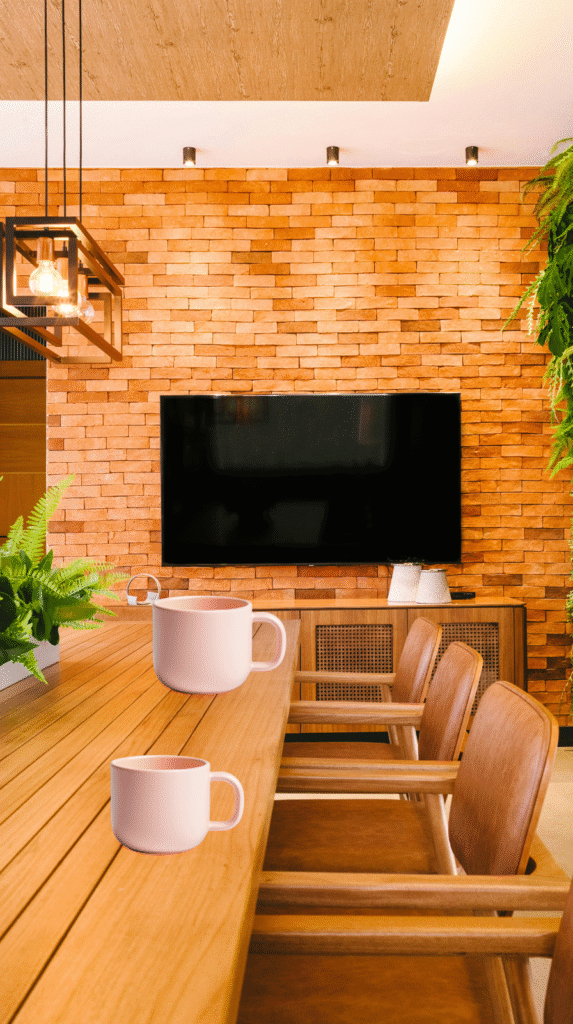
The final layer of an earth-first home decor plan is the “jewelry.” In 2026, we are moving away from mass-produced plastic fixtures and toward soft sustainable lighting fixtures for modern rooms.
Handmade & Artisan Focused:
- The Materials: Look for lighting made from bamboo, cork, and recycled glass decor ideas. A large, hand-woven rattan pendant light over a dining table instantly adds a focal point that feels organic and light.
- Artisan Accessories: The most “soulful” homes of 2026 prioritize locally crafted furniture and handmade decor. Whether it’s a hand-thrown ceramic vase or a recycled and reclaimed materials decor piece, these items bring human energy into your space.
- Energy Efficiency: Of course, sustainability in 2026 means energy-efficient home decor. All these beautiful fixtures should be paired with smart LED bulbs that adjust their “warmth” based on the time of day, supporting your natural circadian rhythm.
Section 6: Conscious Curation (The “Buy Less, Buy Better” Rule)
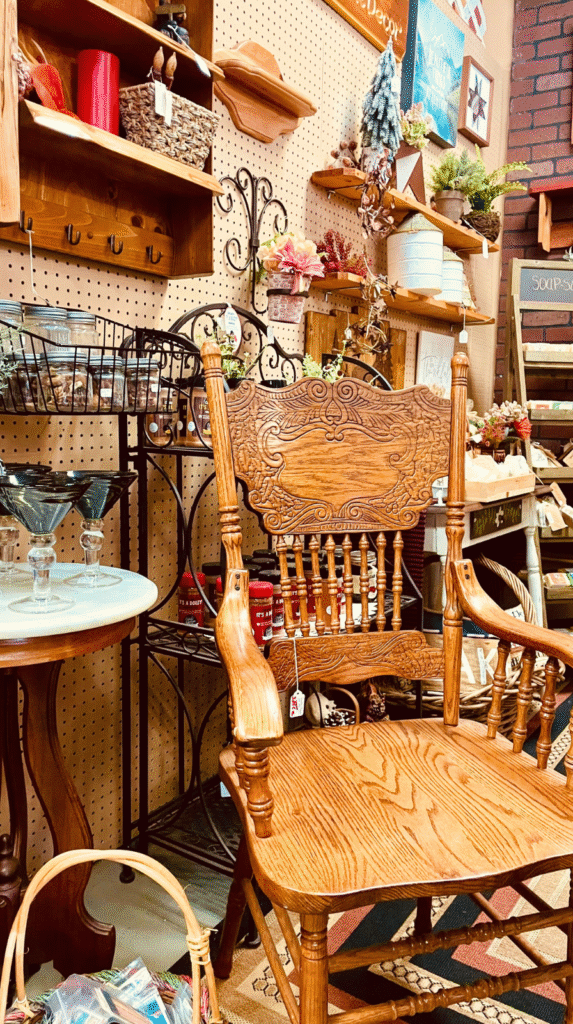
The most sustainable item is the one that already exists. In 2026, locally crafted furniture and handmade decor are being paired with high-quality vintage finds to create homes with depth. But how do you tell the difference between a “hidden gem” and a piece of “thrift store junk”?
How to Spot High-Quality Vintage in 2026:
- The Weight Test: Real, natural materials interior design pieces are heavy. If a wooden dresser feels light, it’s likely particle board or veneer. If it’s heavy, it’s likely solid wood, cork, or bamboo.
- Check the Joints: Look at the drawers. High-quality vintage furniture uses “dovetail” joints (where the wood interlocks like fingers) rather than just glue or staples. This is a hallmark of sustainable luxury interiors.
- The Magnet Trick: Carry a small magnet in your purse. If it sticks to a “gold” handle, it’s just plated steel. If it doesn’t stick, it’s likely solid brass—a high-value material that can be polished forever.
- Look for the “Maker’s Mark”: Always check inside drawers or on the back for a stamp. Finding a locally crafted mark from the 1970s or 80s means you’ve found a piece built to last another 50 years.
Lily’s Styling Tip: Don’t be afraid of “ugly” fabric. If the “bones” (the frame) of a chair are solid wood and have beautiful organic shapes, you can always recover it in organic cotton or hemp. This is the heart of recycled and reclaimed materials decor.
“…and if you are looking for more ways to bring this handmade charm into your workspace, check out these [creative workspace decor ideas for a soulful office].”
Section 7: Native Blooms & Dried Flora (Bye-Bye, Plastic!)
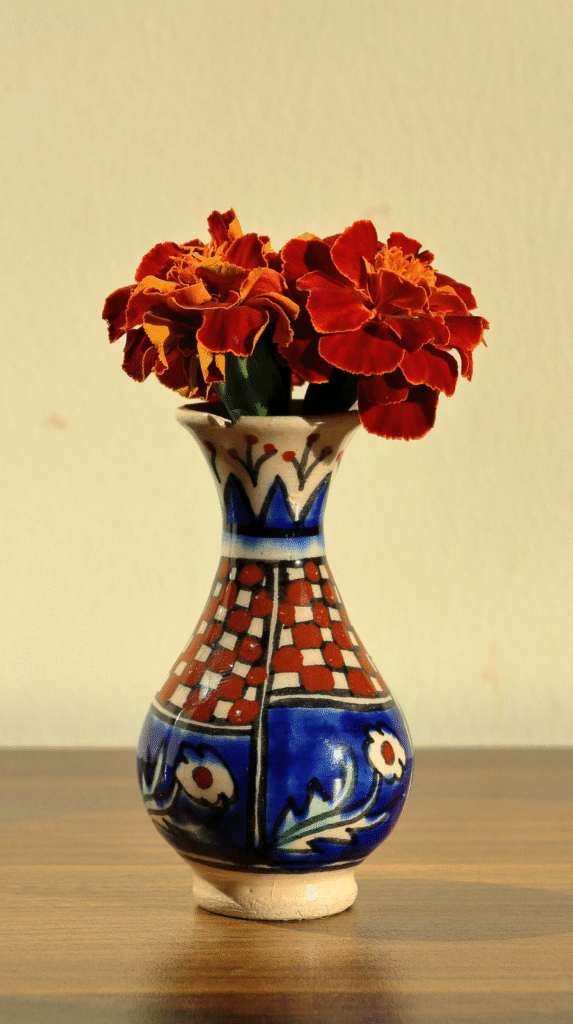
For years, “fake plants” were the go-to for busy people. But in 2026, we are officially saying goodbye to plastic dust-collectors. The new trend is Native Blooms and Dried Flora—a way to bring the outdoors in without the carbon footprint of imported, out-of-season flowers.
Why Native & Dried is Better:
- Sustainable Sourcing: Choosing flowers that grow naturally in your region (Native Blooms) reduces the fuel needed for transport. It’s a core part of eco-friendly interior design ideas.
- Longevity: Unlike fresh flowers that die in a week, dried flora—like pampas grass, dried eucalyptus, or seed pods—can stay beautiful for years. They add incredible texture to a warm minimalism sustainable home.
- Earthy Vibrancy: Dried botanicals naturally fit into the earthy vibrancy color palette we are seeing for 2026. Their muted ochres, dusty sages, and deep umbers add a “lived-in” soul to any room.
Lily’s Styling Tip: Create a “Seasonal Altar” on your entryway table. Instead of a plastic wreath, use a simple recycled glass vase filled with dried local grasses and one or two handmade decor accents. It’s a low-maintenance way to keep your home in sync with the rhythm of the earth.
FAQ: Your Sustainable Decor Questions Answered
Q: Is sustainable home decor more expensive? A: Not necessarily! While sustainable luxury interiors can be an investment, the 2026 philosophy is “Buy Less, Buy Better.” Investing in one high-quality reclaimed wood furniture piece is often cheaper in the long run than replacing “fast decor” every two years.
Q: What is the easiest way to start an eco-friendly home? A: Start with your textiles and air. Swap synthetic cushions for organic cotton, hemp, or linen upholstery, and introduce indoor plants and vertical gardens to naturally clean your air.
Q: Are 2026 trends just a fad? A: No. Trends like biophilic design for homes and carbon-neutral interior design are long-term shifts in how we live as the world prioritizes planet health.
Conclusion: Let Your Home Bloom
As we’ve explored, the sustainable home decor trends 2026 is bringing us are about much more than just “looking green.” They are about creating a sanctuary that respects the earth while nurturing your soul. By choosing eco-friendly interior design ideas—from living walls in home design to locally crafted furniture—you are building a home that tells a story of care, quality, and conscious living.
Your home is your corner of the world. Let it be a place where organic shapes and curved furniture meet the raw beauty of natural materials. It’s time to move toward a future that is bright, breathable, and beautifully sustainable.
Which of these “Earth & Bloom” trends are you bringing into your home first? Let’s grow together in the comments below!
“Explore more nature-inspired tips in our Earth & Bloom category