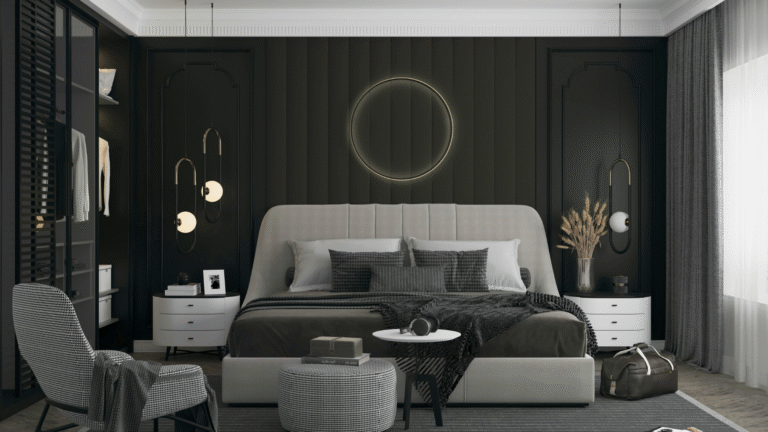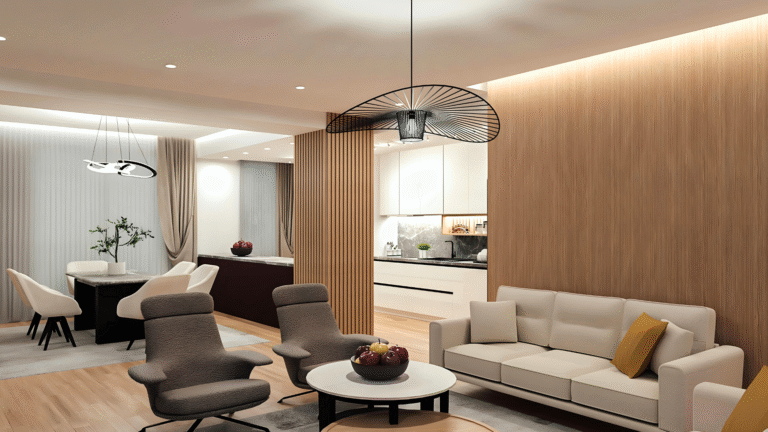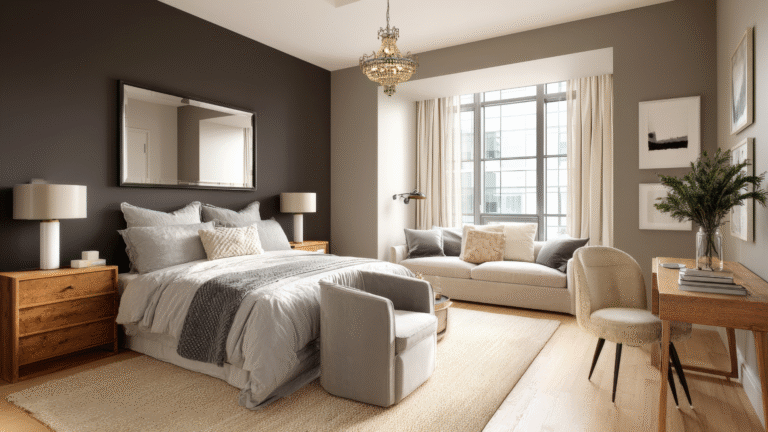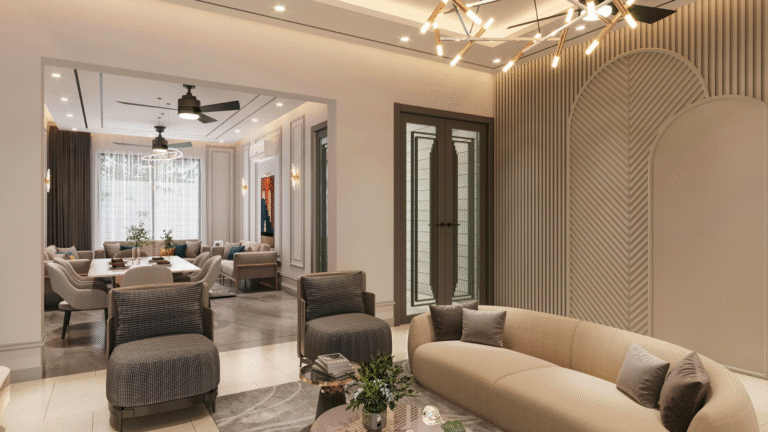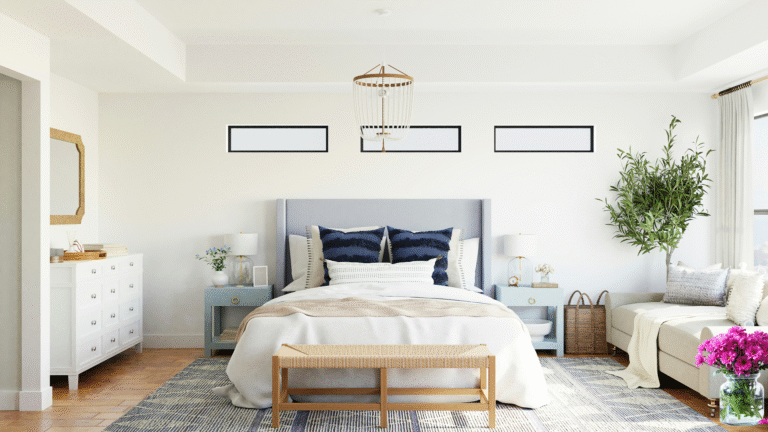
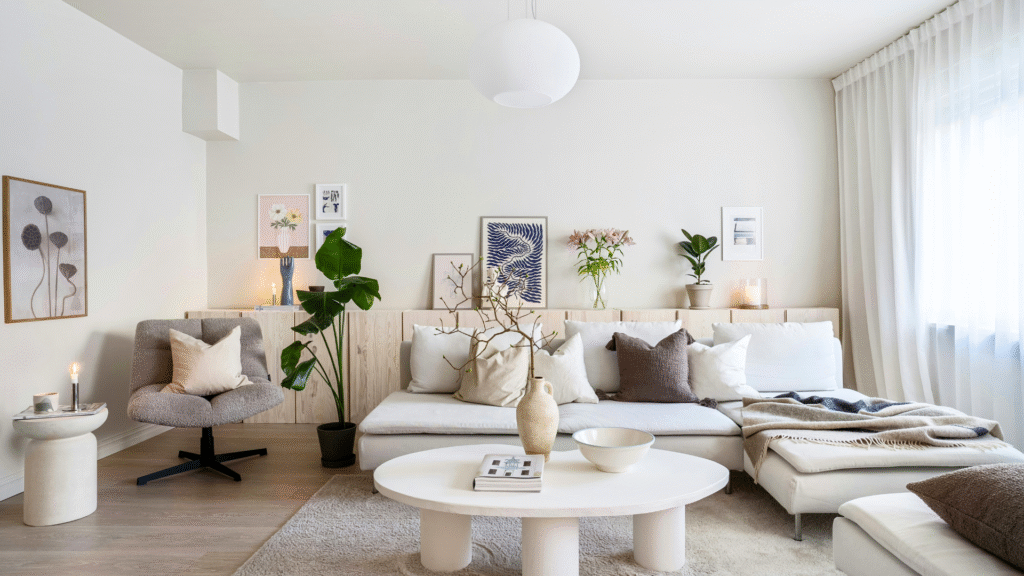
Achieving a high-end aesthetic starts with Quiet Luxury Home Decor, a style defined by what isn’t there as much as what is. Have you ever walked into a room and felt an immediate, unexplainable sense of calm—a space that didn’t just look beautiful, but felt expensive? You look around, and there are no flashy logos, no gold-plated furniture, and no “look at me” trends. By focusing on Quiet Luxury Home Decor, you can create an “Old Money” feel that relies on texture and quality rather than a massive price tag.This is the power of a quiet luxury interior design. It’s the “Old Money” secret of the design world: a home that whispers rather than shouts. But for most of us, scrolling through quiet luxury design trends 2026 often leads to a painful realization: a single “quiet” armchair can cost more than a year’s mortgage. It leaves you wondering if a minimalist interior that feels luxe is a privilege reserved only for the elite.
The truth is, the quiet luxury home aesthetic isn’t about how much you spend; it’s about the “Material Narrative” you create. If your current space feels cold, cluttered, or “cheap,” it’s likely because it lacks the texture layering in interior design that defines high-end homes. You don’t need a designer budget to escape the “Fast-Furniture” trap. By mastering how to get the quiet luxury look at home, you can transition from a space that feels temporary to one that feels timeless.
In this guide, we are pulling back the curtain on quiet luxury on a budget. We’ll explore the neutral color palette interiors that serve as the foundational quiet luxury element and identify the specific quiet luxury materials that look expensive (even when they aren’t). From affordable quiet luxury brands for home to the secret of mixing high and low decor pieces for a luxe look, you are about to learn how to curate a home that feels like a sanctuary. Whether you are looking for cheap quiet luxury decor ideas or trying to understand quiet luxury vs traditional luxury design, it’s time to stop settling for “basic” and start embracing a minimalist vs luxury interior decor style that stands the test of time.
The Psychology of “Expensive” Design: Luxury Without Logos
To understand how to make your home look expensive without spending a lot, you first have to understand what makes a space feel “cheap.” In the world of quiet luxury vs traditional luxury design, the difference is intent. Traditional luxury often relies on “status symbols”—glossy finishes, loud patterns, and recognizable brand names. In contrast, quiet luxury home decor ideas focus on the “tactile experience.”
The psychology of an expensive home is rooted in Visual Silence. When you remove the clutter and the “loud” synthetic materials, you allow the eye to rest on quality. This is the core of luxury without logos. It is a minimalist interior that feels luxe because every item has a purpose and a “soul.”
The goal is to move away from the “disposable” feeling of fast-decor. Understated decor ideas rely on the concept of longevity. A room feels wealthy when it looks like it has evolved over decades rather than being bought in one weekend from a big-box retailer. By focusing on timeless design pieces on a budget—like a heavy stone vase or a well-worn wooden stool—you create a “Temporal Narrative” that suggests heritage and stability.
The Foundational Element: A Quiet Luxury Color Palette of Warm Neutrals
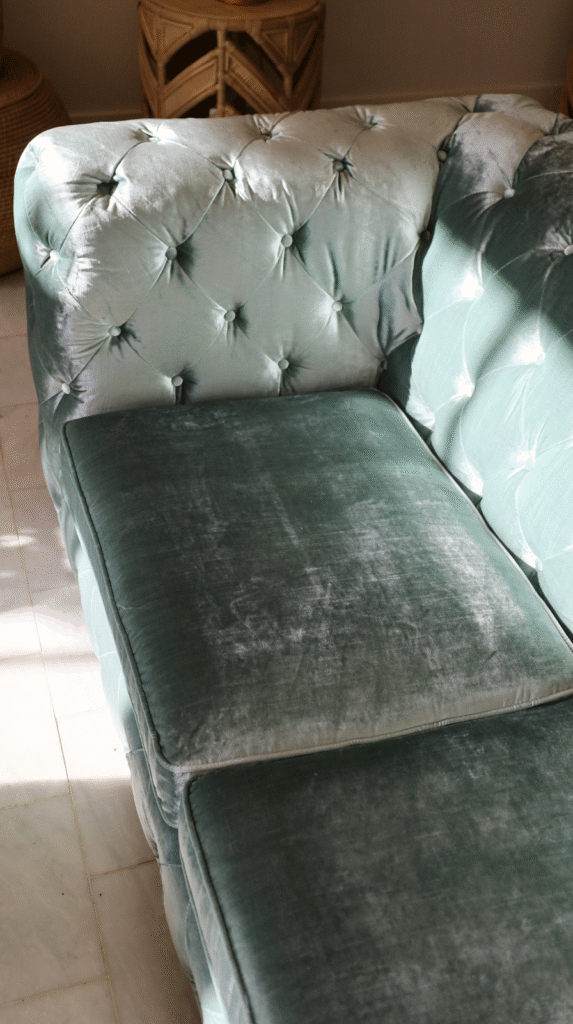
If materials are the soul of a home, color is the heartbeat. The most critical foundational quiet luxury element is a sophisticated neutral color palette for interiors. However, there is a common mistake: many people confuse “neutral” with “plain.”
To achieve the quiet luxury home aesthetic, you must move away from “Stark White” and “True Grey,” which often feel clinical and cold. Instead, we use quiet luxury color palette warm neutrals. Think of colors that occur in nature:
- Bone and Oat: For walls that feel soft rather than sharp.
- Mushroom and Taupe: For secondary layers that add shadows and depth.
- Sand and Clay: For textiles that bring a grounded, earthy warmth.
The Monochromatic Layering Secret
The trick to how to get the quiet luxury look at home is not just picking one beige; it’s picking five. This is known as texture layering in interior design. When you layer a linen sofa in “Oatmeal” with wool pillows in “Sand” and a jute rug in “Wheat,” you create visual “Weight.”
This tonal variety creates an “Expensive Glow.” In quiet luxury design trends 2026, we are seeing a shift toward “Living Neutrals”—colors that change slightly as the sun moves across the room. This makes a minimalist style living room feel dynamic and high-end, even if the furniture itself was sourced from affordable quiet luxury brands for home.
Rule #2: Material Integrity (Natural Materials for a Luxe Look)
If you want to master how to get the quiet luxury look at home, you must pass the “Honesty Test.” In quiet luxury interior design, the most expensive-looking homes are those that prioritize natural materials interior design over synthetic imitations. There is a specific “heft” and thermal quality to real materials that plastic, laminate, and polyester simply cannot replicate.
The “Synthetic Trap” vs. Quiet Luxury Materials
The quickest way to make a space feel “cheap” is to use materials pretending to be something else. To achieve quiet luxury on a budget, you don’t need to buy a $10,000 marble dining table, but you should avoid the “marble-effect” contact paper.
Quiet luxury materials that look expensive include:
- Honed Stone: Look for travertine, slate, or tumbled marble. Pro-Tip: Check local stone yards for “off-cuts” or remnants; you can often get a slab of real marble for a side table at a fraction of the retail price.
- Open-Grain Wood: Opt for oak, walnut, or ash where you can feel the texture of the grain. This is a hallmark of minimalist interior that feels luxe.
- Real Metals: Swap shiny “faux gold” for unlacquered brass or brushed bronze. These timeless design pieces on a budget develop a patina that suggests the home has history.
The Power of “Living” Textiles
Texture layering in interior design is most effective when you play with weight. For an affordable quiet luxury vibe, ditch the shiny synthetic curtains. Instead, look for:
- 100% Organic Linen: Its natural “slub” and wrinkles are a sign of quality.
- Boiled Wool or Mohair: These add a cozy, dense texture to sofas and chairs.
- Cotton Velvet: Provides a soft, matte sheen that screams “expensive” without being gaudy.
To truly capture the ‘Quiet Luxury’ feel, incorporate natural elements like air-purifying indoor plants to add life and texture to your space
Rule #3: Lighting as the “Jewelry” of the Room
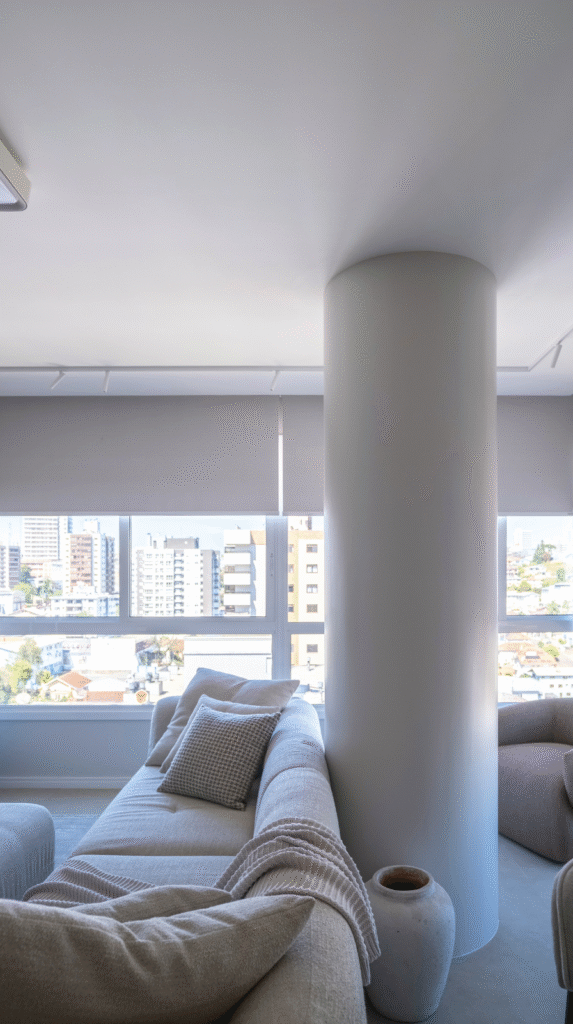
In quiet luxury design trends 2026, the “Big Light” (the harsh overhead ceiling fixture) is officially out. To create a quiet luxury home aesthetic, you must treat lighting as architectural lighting for luxury interiors. It is the invisible layer that makes quiet luxury home decor ideas actually work.
The 2700K Rule for an “Expensive Glow”
Luxury hotels and high-end boutiques use warm-toned bulbs (2700 Kelvin). This creates a golden, inviting atmosphere. If your bulbs are too “blue” or “daylight,” even the most expensive furniture will look like it’s in a hospital waiting room.
Layering for Depth
To get luxury without logos, you need three layers of light:
- Ambient: Soft, diffused light that fills the room (think large paper floor lamps).
- Task: Specific light for reading or cooking (brass pharmacy lamps).
- Accent: This is where you find cheap quiet luxury decor ideas—use battery-operated “puck lights” to highlight artwork or the inside of a bookshelf. This mimics the look of high-end integrated cabinetry.
By focusing on understated decor ideas like a single, well-placed dimmable lamp rather than a room full of bright lights, you achieve that coveted minimalist vs luxury interior decor balance.
Rule #4: The Art of the “High-Low Mix”
The secret to how to make your home look expensive without spending a lot isn’t about having a limitless bank account; it’s about strategic allocation. In quiet luxury interior design, this is known as the “High-Low Mix.” You don’t need every piece to be a designer original; you just need the “Touch Points” to feel authentic.
Where to Splurge (The “High”)
Focus your budget on items you physically interact with. These pieces ground the room in quality:
- The Sofa: A cheap sofa ruins a minimalist interior that feels luxe. Invest in a classic silhouette with a natural fabric blend.
- Hardware: Swapping plastic or cheap alloy knobs for solid brass or hand-forged iron is the ultimate affordable quiet luxury hack.
Where to Save (The “Low”)
This is where you find cheap quiet luxury decor ideas that still look editorial:
- Side Tables & Vases: Thrifted ceramics and stone plinths are often better than new “luxury” versions.
- Art: Large-scale canvas with DIY plaster texture can mimic expensive gallery pieces for under $50.
- Curtains: Use high-quality IKEA linen curtains but hang them with professional drapery hooks to create that “custom made” look.
Room-by-Room Guide: Quiet Luxury Transitions
To maintain a cohesive quiet luxury home aesthetic, the “thread” of quality must follow you from the front door to the bedroom. Here is how to apply quiet luxury design trends 2026 to every corner of your home.
The Living Room: The Conversation Circle
Quiet luxury is social, not just visual. Arrange your furniture to foster connection.
- The Anchor: Use a massive, over-sized rug (natural wool or jute). A small rug makes a room look “budget”; a large rug makes it look “architectural.”
- The Aesthetic: Incorporate texture layering in interior design by tossing a heavy, hand-knit throw over a structured armchair.
The Bedroom: Hotel-Grade Layering
The bedroom is the ultimate sanctuary. To get the quiet luxury look at home here, focus on the bed:
- The “Triple Sheet” Method: Use high-thread-count white cotton sheets.
- The Palette: Use a quiet luxury color palette of warm neutrals—champagne, sand, and taupe—to create a “Cloud Effect.” Avoid bold patterns; stick to solid, textured weaves.
The Kitchen & Dining: Understated Elegance
Luxury in the kitchen is about what you don’t see.
- The Edit: Clear the counters of plastic appliances.
- The Material: Use natural materials interior design staples like a marble salt cellar or a solid oak cutting board leaned against the backsplash. This creates luxury without logos in the most functional room of the house.
Best Affordable Quiet Luxury Decor Stores
If you’re hunting for timeless design pieces on a budget, you have to look beyond the typical “Fast Decor” giants. Here are the best affordable quiet luxury decor stores and sources:
- H&M Home & Zara Home: Incredible for 100% linen bedding and heavy stoneware vases.
- Etsy: The gold mine for hand-forged brass hardware and vintage oil paintings.
- Facebook Marketplace/Thrift Stores: The best place to find quiet luxury materials that look expensive, like solid wood tables and vintage travertine coffee tables.
- Target (Threshold with Studio McGee): Perfect for understated decor ideas like woven baskets and textured lamps.
The “Cheap” Signals: 5 Mistakes That Kill the Quiet Luxury Vibe
In quiet luxury interior design, what you don’t do is just as important as what you do. Even with a beautiful neutral color palette, certain “cheap signals” can instantly break the illusion of an expensive home. To maintain your quiet luxury home aesthetic, avoid these common pitfalls:
- The “Furniture Set” Trap: Buying a matching sofa, loveseat, and armchair from a single showroom is the fastest way to make a home look like a generic catalogue. Luxury feels curated over time. Mix a modern sofa with a vintage wooden stool or a sculptural stone side table.
- Visible Technology: Exposed cords, routers on display, and massive black-box TVs are the opposite of understated decor ideas. Use cord hiders, tuck routers into woven baskets, and consider a “Frame” style TV or a simple linen shroud to soften the tech.
- Synthetic “Gloss”: High-gloss laminates and “fake” marble stickers often look like plastic under architectural lighting. If you can’t afford solid stone, choose matte-finish wood or ceramic. Matte textures always look more expensive than shiny ones.
- The “Small Rug” Error: A rug that is too small for the room makes the furniture look like it’s “floating” and shrinks the space. To get luxury without logos, your rug should be large enough for all furniture legs to sit on it, creating a grounded, architectural “zone.”
- Over-Accessorizing: Clutter is the enemy of minimalist interior that feels luxe. If you have ten small trinkets on a shelf, replace them with one large, high-quality ceramic vase. This “Visual Silence” is a hallmark of quiet luxury vs maximalist decor.
FAQs: Mastering Quiet Luxury on a Budget
What is the difference between quiet luxury and minimalism?
While both value “less is more,” minimalist vs luxury interior decor differs in warmth. Traditional minimalism can feel clinical and cold (think white boxes and metal). Quiet luxury interior design is “Warm Minimalism”—it uses natural materials like wool, wood, and stone to ensure the space feels inviting and expensive rather than empty.
Is quiet luxury expensive to maintain?
Actually, it can be more cost-effective. Because you are investing in timeless design pieces on a budget and “honest” materials like solid wood or linen, your decor won’t go out of style next season. It’s about buying better, but buying less.
Can I do quiet luxury in a small apartment?
Yes! Quiet luxury decor ideas for small budgets actually work better in small spaces. Because you have less square footage, you can afford to spend a little more on the quality of a single rug or a set of linen curtains, which has a massive impact on a small room.
What are the best “cheap” quiet luxury materials?
Look for natural materials that are inherently affordable, such as jute, cotton, terracotta, and pine (if finished with a matte, dark stain). Thrifting for “Old Money” silhouettes in brass or heavy ceramics is also a secret to finding quiet luxury materials that look expensive.
What lighting is best for a luxe look?
Avoid “Cool White” bulbs. Use 2700K warm-toned bulbs and layer your light. Use a mix of floor lamps, table lamps, and candles to create a glow. This architectural lighting is the most affordable way to make any room look instantly higher-end.
Conclusion: Curation Over Consumption
At its core, how to get the quiet luxury look at home is a shift in mindset. It is a move away from the “buy now, replace later” culture of fast-decor and toward a more intentional, timeless design. By focusing on natural materials interior design, mastering texture layering, and embracing a quiet luxury color palette of warm neutrals, you aren’t just decorating—you are building a sanctuary.
You don’t need a massive budget to achieve an elevated minimalist interior. You simply need the patience to find the right pieces, the discipline to edit your space, and the eye to spot quality in the unexpected. Start with one room, focus on the “Material Hierarchy,” and watch as your home transforms into a space that whispers of wealth and breathes with calm.