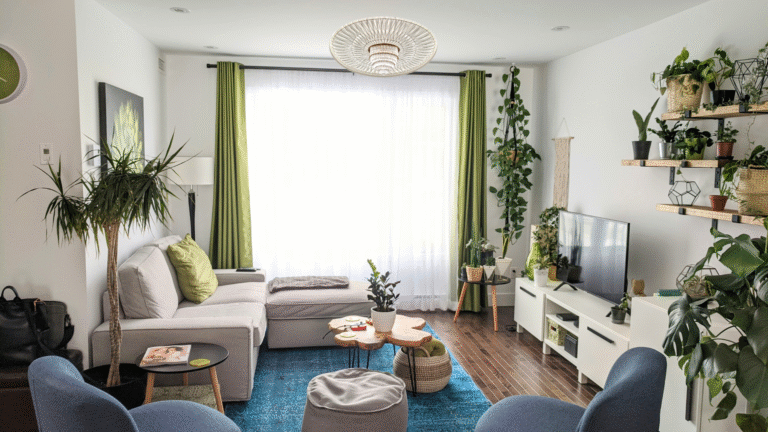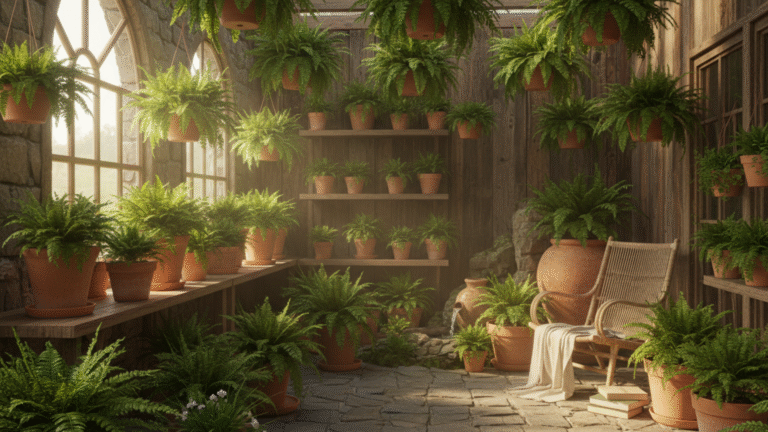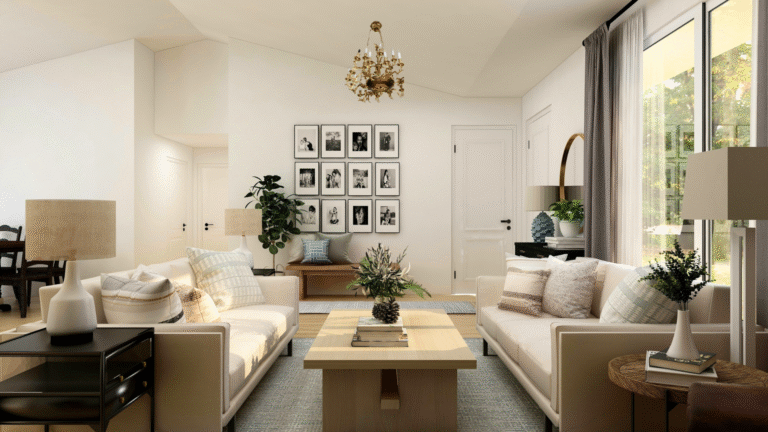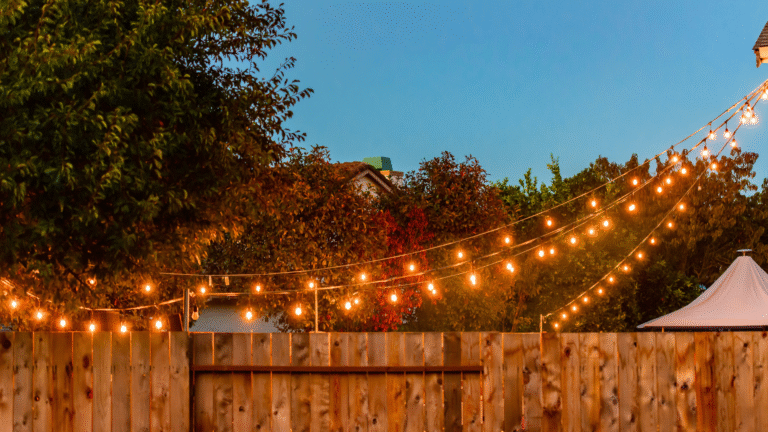
In a world that feels increasingly digital and detached, there is a profound, quiet ache for the earth beneath our feet. We spend 90% of our lives indoors, yet our souls are still hardwired for the whisper of leaves and the dappled rhythm of sunlight. This year, the next interior design aesthetic isn’t just about a look—it’s about a feeling. Welcome to the indoor meadow aesthetic, the most restorative home design movement of 2026.
Imagine walking into a living room that feels like nature—not as a backdrop, but as a living, breathing companion. As you step onto natural materials living room floors, the scent of damp earth and fresh fern replaces the sterile air of the city. This is the biophilic living room sanctuary: a natural sanctuary home design crafted specifically to lower your cortisol and reconnect you to the “Slow Living” philosophy.
We are moving beyond the cluttered “plant parent” era and into a more intentional home styling phase. Biophilic home design in 2026 is about organic indoor living spaces that prioritize sensory interior design. It’s about layered plant decor indoors that mimics the wild, unscripted beauty of a forest floor, combined with stone and wood interior design to create a healing home interior design experience.
Whether you are looking for biophilic decor for apartments or a complete indoor garden living aesthetic, this guide is your roadmap. We will explore modern biophilic interiors that utilize natural light living room plants, earthy neutral interiors, and mindful interior design to turn your home into a peaceful living room atmosphere.
Let’s step into the “Rewilding” movement and discover how meadow inspired interior design can transform your space into a living room for relaxation and calm. It is time to design a home that doesn’t just look like a sanctuary, but breathes like one.
2. The Science of the Sanctuary: Why Biophilic Design Matters
The indoor meadow aesthetic is more than a visual trend; it is a biological necessity. In the biophilic design trends 2026 landscape, we are seeing a shift toward healing home interior design that addresses our physiological needs.
- Stress Reduction: Science shows that living room inspired by nature settings can lower heart rates and blood pressure within minutes. This is the core of stress reducing home decor—creating a space that actively works to calm your nervous system.
- The “Fractal” Effect: Our brains are designed to process the complex, repeating patterns found in nature (fractals). By incorporating layered plant decor indoors, you provide your eyes with a “soft fascination” that reduces mental fatigue.
- Air Quality & Humidity: A plant filled living room acts as a natural humidifier. In an indoor garden living room, the transpiration of plants creates a microclimate that keeps your skin hydrated and your lungs clear, embodying the true essence of wellness inspired home decor.
- Acoustic Softening: Unlike hard, minimalist surfaces, organic indoor living spaces with dense greenery absorb sound. This creates the peaceful living room atmosphere necessary for deep focus or restful meditation.
3. Pillar 1: Layering the “Meadow” (The Vertical Strategy)
To achieve a meadow inspired interior design, you must move away from “soldier-row” plant placement. Nature grows in layers, and your indoor garden living aesthetic should do the same. This is the secret to modern biophilic interiors that feel high-end yet wild.
The Three-Tier Meadow System:
- The Canopy (Structural Depth): Start with living room with lots of plants that have height. An olive tree or a tall Ficus Lyrate creates a sense of overhead protection. These are your anchors for biophilic living room ideas.
- The Understory (Textural Volume): This is where indoor greenery decor ideas come to life. Use mid-sized plants like Boston Ferns or Philodendrons to create a “shrub” layer. The goal is to obscure hard corners of furniture, making the living room that feels like nature.
- The Meadow Floor (The Finishing Touch): For a true indoor meadow aesthetic, use creeping plants like String of Pearls or even live moss trays on coffee tables. This mimics the forest floor and completes your natural sanctuary home design.
Design Tip: Use natural light living room plants near windows to act as living curtains. This filters the light, creating the “dappled” effect seen in soulful home decor.
4. Pillar 2: The Earth Palette (Materials & Textures)
In biophilic interior design ideas, the plants are the heart, but the “vessel” is the soul. To create organic indoor living spaces, you must move away from synthetic finishes and embrace natural textures home decor. In 2026, the indoor meadow aesthetic relies on materials that feel like they were pulled directly from the landscape.
- Stone and Wood Interior Design: Replace cold metals with the warmth of reclaimed oak or raw walnut. Incorporate natural materials living room elements like a travertine coffee table or a slate hearth. These earthy foundations provide the “weight” needed for a grounded sanctuary.
- Linen and Cotton Home Decor: Soften your meadow inspired interior design with organic textiles. Use heavy-weight linen curtains that puddle on the floor and cotton throws in earthy neutral interiors like sand, mushroom, and moss.
- The “Wabi-Sabi” Vessel: Move your indoor greenery decor ideas into hand-thrown ceramics and aged terracotta. The imperfections in the clay mirror the “wild” feel of a living room that feels like nature.
- Organic Modern Interior Design: Combine clean, modern lines with raw, unfinished edges. This creates a soulful home decor look that feels curated yet connected to the earth.
5. Pillar 3: Lighting the Sanctuary
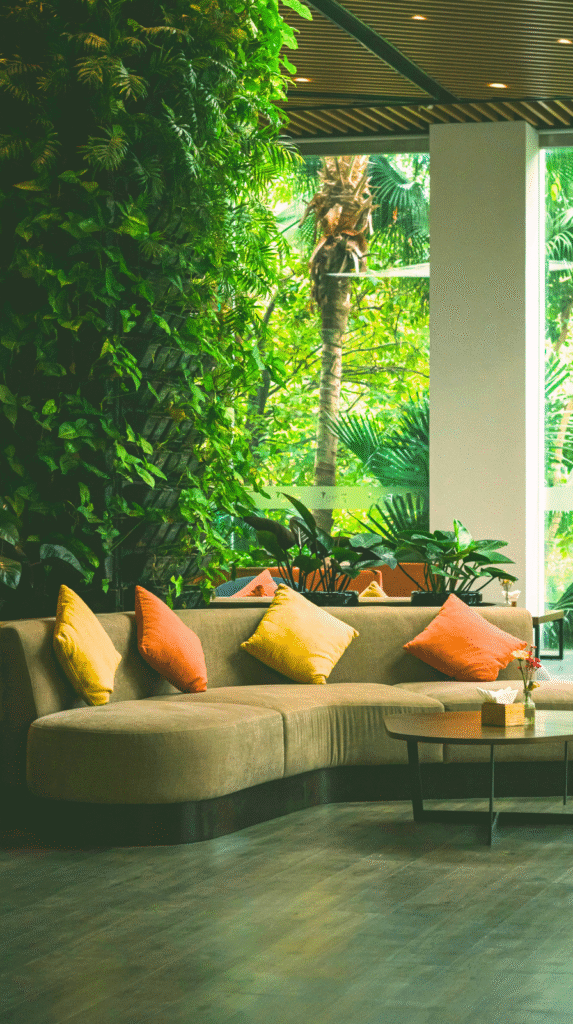
Lighting is the “lifeblood” of any indoor garden living room. To master the biophilic living room sanctuary, you must treat light as both a functional necessity for your plants and a tool for intentional home styling.
Creating the “Dappled” Effect
In a true natural sanctuary home design, light is never harsh or flat. It filters through leaves, creating shadows that move with the breeze.
- Natural Light Living Room Plants: Position your largest “Canopy” plants (like an Olive or Eucalyptus tree) in front of your main light source. This creates a natural light living room effect known as komorebi—the Japanese word for sunlight filtering through trees.
- Aesthetic Grow Lights: 2026 biophilic design trends have introduced “warm-spectrum” LED grow lights that double as designer pendants. These allow you to maintain a plant filled living room even in darker corners without sacrificing the calming living room decor vibe.
- The Golden Hour Glow: Use smart bulbs to transition your biophilic living spaces from bright, cool daylight to a warm, amber glow in the evening. This supports your circadian rhythm and enhances the peaceful living room atmosphere.
6. Room-by-Room: Designing Your Meadow
The beauty of biophilic home design is that it scales to fit any corner of your home. Whether you are working with a sprawling floor plan or looking for biophilic decor for apartments, here is how to distribute the “Bloom” throughout your sanctuary.
- The Biophilic Living Room: This is your primary indoor garden living aesthetic. Create a “meadow anchor” by grouping five to seven plants of varying heights in a corner. Ensure you use earthy neutral interiors for your planters to keep the focus on the greenery.
- The Creative Nook: Transform your workspace into an organic indoor living space. Position low-maintenance indoor plant styling ideas, like a trailing pothos, above your desk to reduce digital eye strain. This embodies mindful interior design at its best.
- The Biophilic Bedroom: Choose plants like Sansevieria or Aloe Vera that release oxygen at night. Surround them with linen and cotton home decor to create a restorative home design that promotes deep, healing sleep.
- The Kitchen Meadow: Use the nature inspired interior trends of 2026 by growing an indoor herb meadow. Combine basil, mint, and thyme in a long stone trough to bring nature inspired home decor into your daily culinary rituals.
7. The 2026 “It” Plant List (Trend Report)
To keep your indoor meadow aesthetic current, you must choose plants that reflect the future home decor trends of 2026. We are moving away from “perfect” tropicals and toward wild, wispy, and textured varieties.
| Plant Name | Aesthetic Role | Care Level |
| European Olive (Olea) | The “Canopy”—Structural & Silvery | Moderate (Needs Light) |
| Asparagus Fern | The “Mist”—Soft, wispy meadow texture | Easy (Loves Humidity) |
| Ornamental Grasses | The “Wild”—True meadow movement | Easy (Low Water) |
| Velvet-Leaf Philodendron | The “Shadow”—Dark, moody, and soft | Easy (Low Light) |
| Eucalyptus | The “Scent”—Aromatic & Sculptural | Moderate (High Light) |
Indoor Plant Styling Ideas for 2026
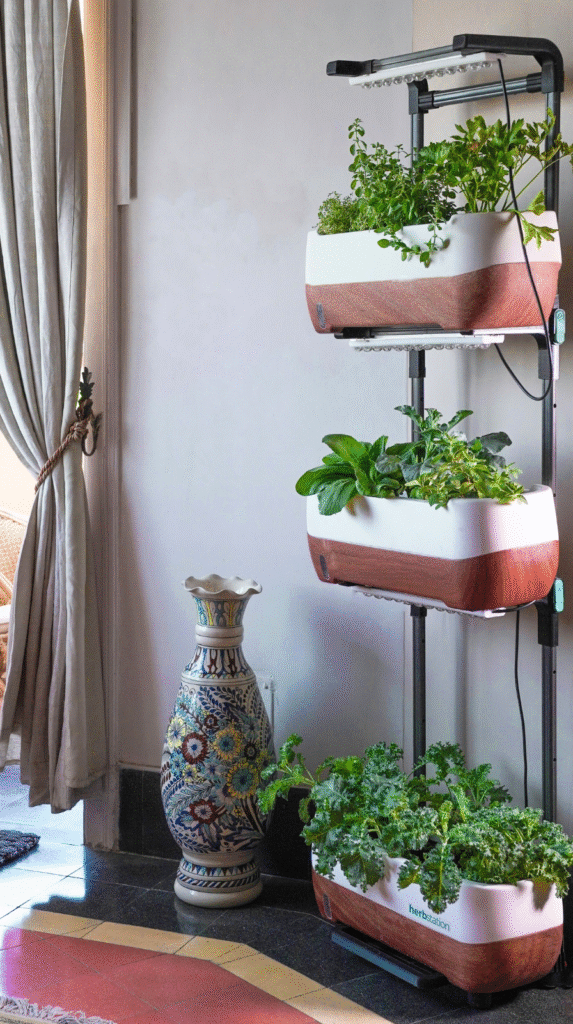
- The “Uncontained” Look: Avoid over-pruning. Let your plant filled living room grow slightly wild.
- Mixed Media: Tuck dried wildflowers into the soil of your living plants for a “perpetual bloom” effect.
- Terracotta Groupings: Use different shades of clay to add depth to your layered plant decor indoors.
8. Maintenance as a Ritual: The “Slow Care” Philosophy
In the world of slow living interior design, caring for your indoor garden living room isn’t a chore—it’s a soulful home decor ritual. Transitioning from “maintenance” to “mindfulness” is the key to sustaining a living room for relaxation and calm.
- The Mindful Mist: Use a brass or glass mister to hydrate your layered plant decor indoors. The rhythmic movement and the scent of damp moss create a sensory interior design moment that grounds you.
- Tech-Assisted Wellness: For a modern biophilic interior, use discreet soil moisture sensors. They ensure your nature inspired home decor thrives without the stress of guesswork, keeping your natural sanctuary home design lush year-round.
- Embracing Wabi-Sabi: In an indoor meadow aesthetic, perfection is not the goal. A yellowing leaf or a leaning stem is part of the organic indoor living spaces cycle. This mindset is essential for mindful interior design.
To ensure your indoor sanctuary flourishes year-round, it is helpful to follow the evidence-based plant care standards set by the Royal Horticultural Society (RHS).
9. FAQ: Designing Your Biophilic Living Room Sanctuary
To help you master your biophilic living spaces, we’ve gathered the most common questions about the next interior design aesthetic.
Q: How do I create a meadow look in a dark apartment? A: Focus on biophilic decor for apartments that utilizes low-light heroes like Zamioculcas zamiifolia (ZZ Plant) or Snake Plants. Enhance them with warm-spectrum biophilic design grow lights to maintain the indoor greenery decor ideas without natural sun.
Q: Are indoor meadows high maintenance? A: Not if you use the layered plant decor indoors strategy. Grouping plants together creates a micro-climate that retains humidity, actually making them easier to care for than scattered pots. It’s the ultimate restorative home design hack.
Q: What are the best natural textures for a nature-inspired living room? A: Stick to the “Earth Palette.” Combine stone and wood interior design with linen and cotton home decor. These natural materials living room elements anchor the greenery and provide the calming living room decor vibe.
Q: Is biophilic design expensive to start? A: Not at all. You can start your meadow inspired interior design with a few propagated cuttings and local terracotta pots. Focus on intentional home styling rather than buying everything at once.
Q: How do I keep my plant-filled living room pet-friendly? A: Always check toxicity levels. Many nature inspired interior trends feature pet-safe options like Calatheas, Boston Ferns, and Spider Plants to ensure a peaceful living room atmosphere for everyone.
10. Conclusion: Your Home as a Living Ecosystem
The indoor meadow aesthetic is more than a 2026 trend; it is a return to our roots. By embracing biophilic interior design ideas, you aren’t just decorating a space; you are cultivating a living room that feels like nature—a true biophilic living room sanctuary that nourishes your spirit every time you step through the door.
Whether you start with a single stone and wood interior design element or a full plant filled living room, remember that the goal is intentional home styling. Your home should be a restorative home design masterpiece that grows, breathes, and evolves alongside you. Let the slow living biophilic interiors movement transform your house into a natural sanctuary home design where every morning feels like a fresh start in the wild.
Step Into the Sanctuary
- Deepen the Ritual: Now that your space is a sanctuary, nourish your body with our [Whipped Pistachio High-Protein Toast]—the perfect culinary match for a mindful interior design lifestyle.
- Explore the Collection: Find more inspiration for your botanical journey in our [Earth & Bloom] category, where we continue to explore the intersection of wellness inspired home decor and the natural world.