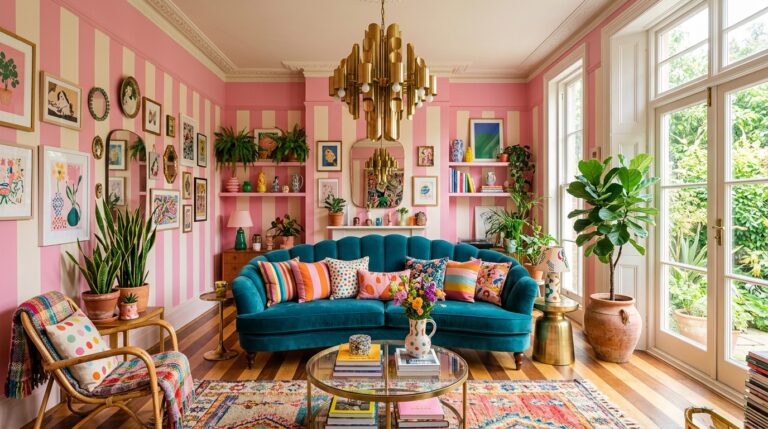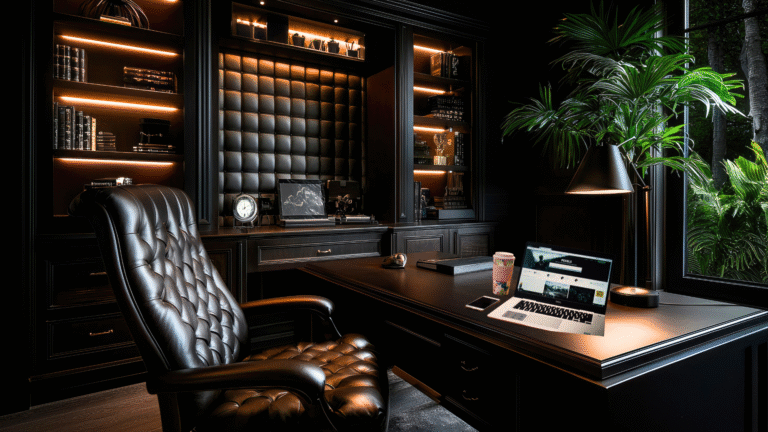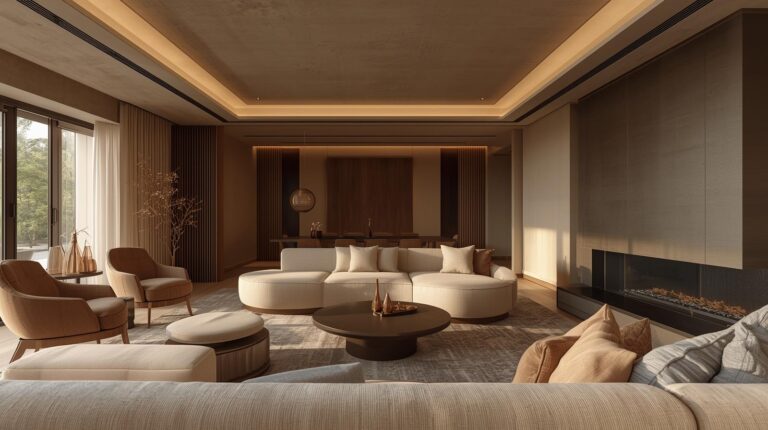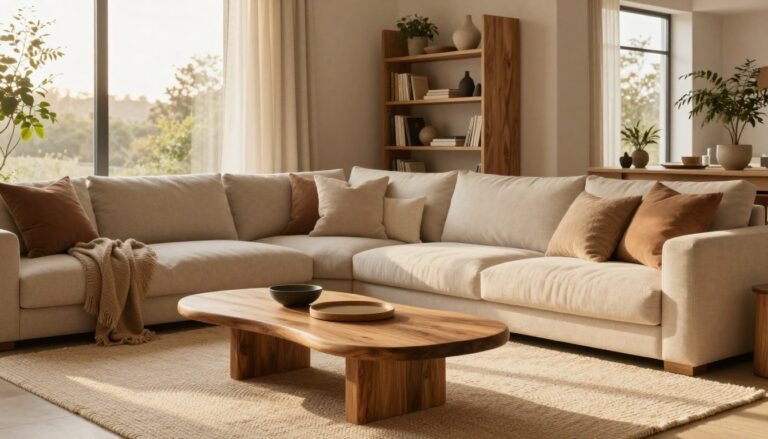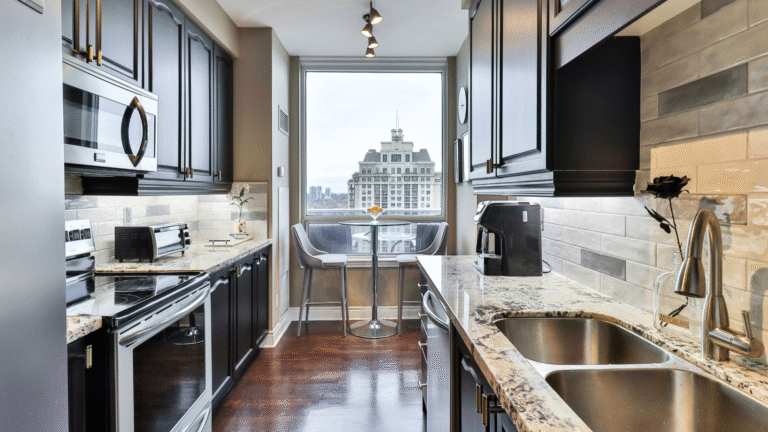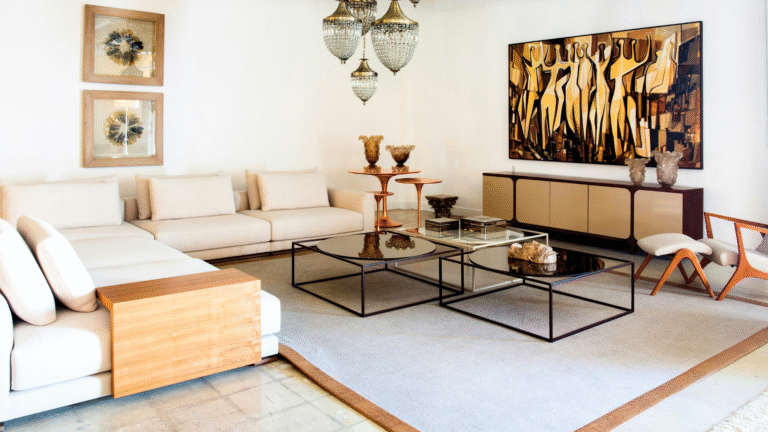
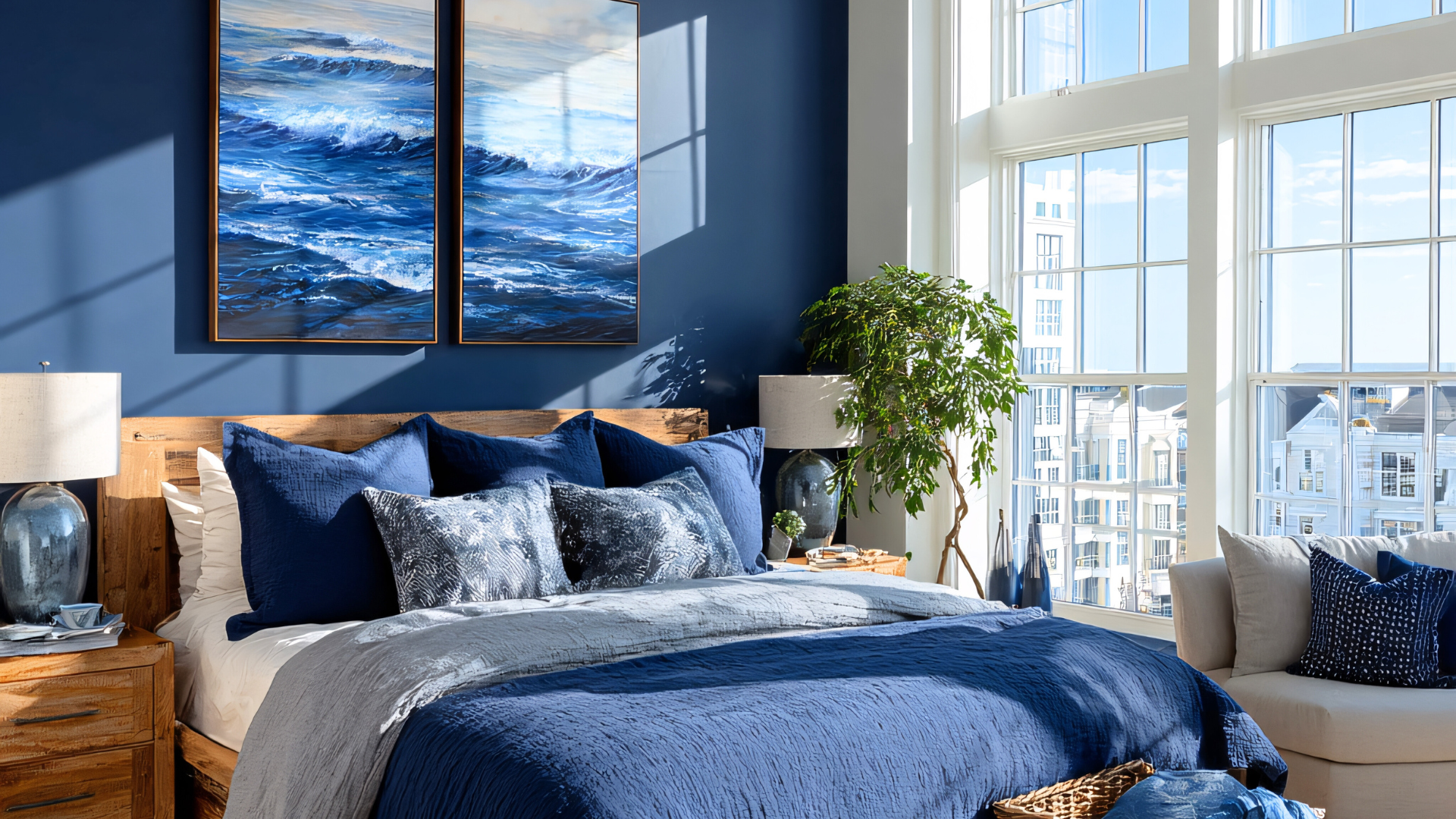
“In 2026, creating an Anti-Inflammatory Home has shifted from a mere aesthetic trend to a lifestyle necessity. We’ve spent years focusing on what we put into our bodies, but have you considered how the Anti-Inflammatory Home environment affects your biology? Welcome to the era of wellness-oriented interior design, where we transition from high-stress environments to a home sanctuary designed for healing. If you’ve been searching for decor to reduce stress, it’s time to move beyond the ‘catalog look’ and embrace intentional home space ideas that actually lower your cortisol.”
Creating living spaces you feel good in is about more than just picking a pretty rug; it’s about wellbeing interior design. By integrating biophilic design ideas—like bringing natural elements in home décor and choosing specific plants for stress-free interiors—you can literally lower your heart rate the moment you walk through the door. Whether you’re looking for mood-boosting interior design to brighten a home office or calming home decor ideas for a busy family hub, the secret lies in sensory interior design tips that cater to your sight, touch, and smell.
You don’t need a total renovation to see results. Simple home décor swaps for a peaceful space, such as shifting to a mood-enhancing colour palette or optimizing natural light home décor tips, can act as an immediate “nervous system reset.” From dopamine decor that sparks joy to clutter-free calming interiors that stop the mental “noise,” we are diving deep into how to create a calm interior that supports your journey toward better health.
In this guide, we’ll explore how to decorate a calming living room, find the perfect bedroom decor for better sleep and calm, and use texture for emotional wellbeing. Get ready to transform your house into one of those homes that reduce stress naturally. It’s time to choose decor for better mental health and build a peaceful home interior that nourishes your soul.
“Discover more [Soulful Decor Ideas here]
How to Design Your Anti-Inflammatory Home: 5 Soulful Swaps
Swap 1: From “Synthetic Brights” to “Earth-Toned Soul”
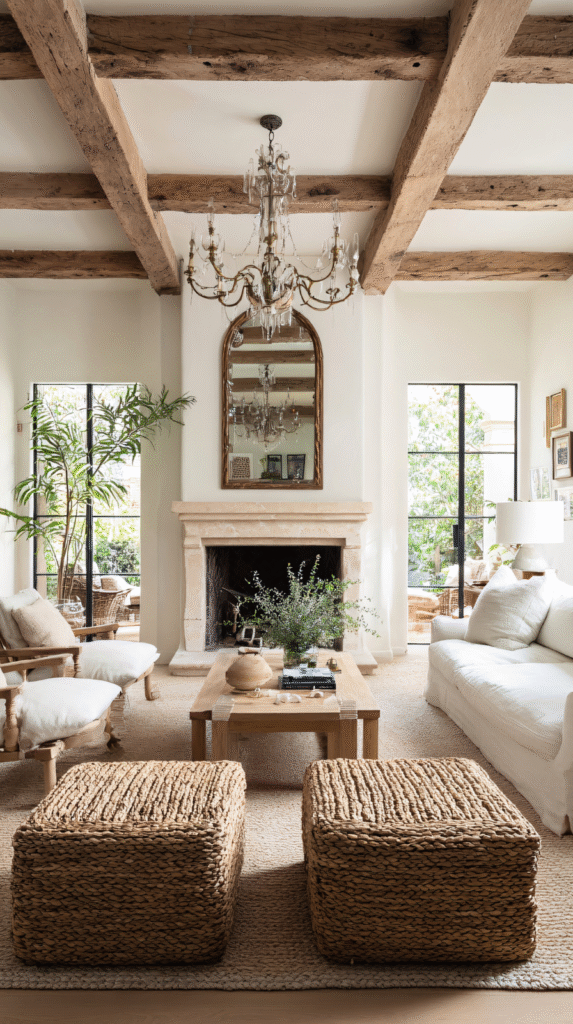
In the fast-paced world of 2026, our eyes are constantly bombarded by high-contrast digital screens. Bringing calming colours for interiors into your home acts as a visual “mute button” for the brain.
- The Science: A recent 2025 study found that organic color palettes—think terracotta, soft sage, and warm taupes—increase perceived comfort by 40%. These shades mimic the “organized complexity” of nature, reducing the cognitive load required to process your environment.
- The Soulful Swap: Replace stark white or neon accents with a mood-enhancing colour palette of sandy beiges, olive greens, and clay-like rust tones.
- Impact: These colors ground the space, turning a frantic room into a peaceful living room where your nervous system can finally settle.
This earth-toned palette is the visual foundation of any Anti-Inflammatory Home.”
Swap 2: From “Fluorescent Blue” to “Circadian Gold”
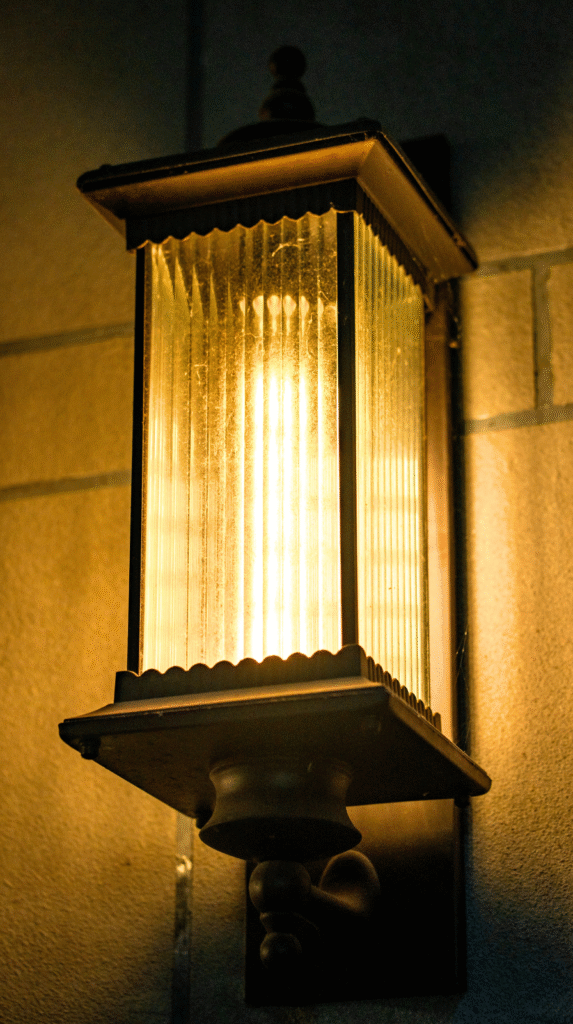
Lighting is perhaps the most powerful tool in wellbeing interior design. In 2026, “Light Hygiene” is the new self-care.
- The Science: Artificial blue light late in the day suppresses melatonin and spikes cortisol (the stress hormone), keeping your body in an inflammatory “alert mode.” Research shows that shifting to warm lighting (below 3000K) in the evening helps stabilize physiological rhythms and supports hormone balance.
- The Soulful Swap: Switch out cool-white LED bulbs for amber-toned “Edison” bulbs or smart lighting that mimics the natural light cycle. Use rattan or wooden lamp shades to diffuse the light softly.
- Impact: Better sleep quality and a significant reduction in evening anxiety. It creates that “Golden Hour” glow that makes a home sanctuary feel truly restorative.
Swap 3: From “Static Objects” to “Biophilic Life”
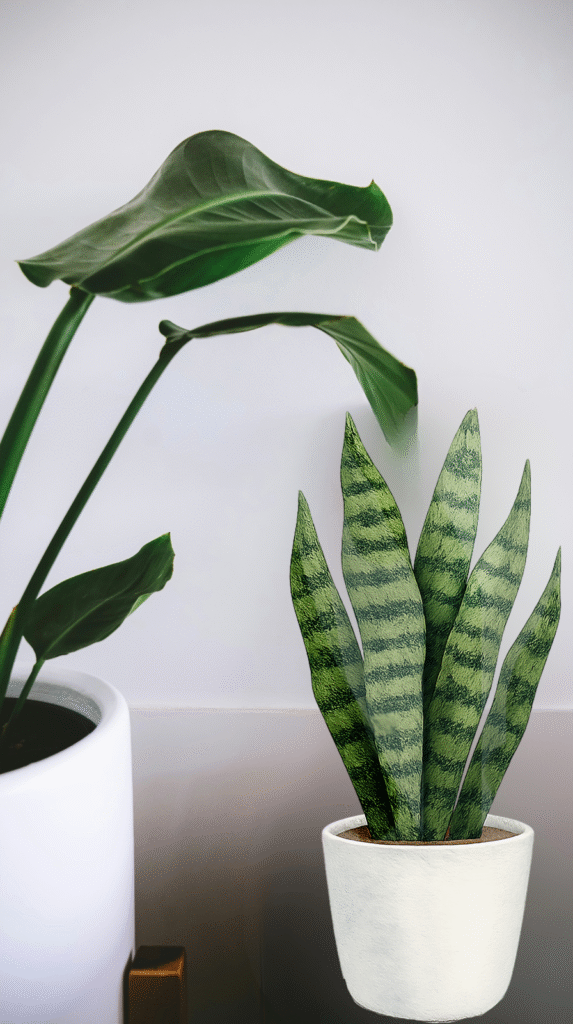
If your home feels “stale,” it’s likely missing a connection to the living world. This is where biophilic home design shines.
- The Science: NASA-approved plants for stress-free interiors like the Snake Plant or Peace Lily don’t just look good—they act as living air filters. They remove toxins like formaldehyde and benzene, which can trigger low-level inflammation. Even just viewing greenery has a 0.72 correlation with better mood and mental clarity.
- The Soulful Swap: Instead of plastic decor, fill your corners with a Boston Fern for humidity or a Spider Plant for air purification.
- Impact: Fresh oxygen and a “Forest Bathing” effect inside your apartment. It’s decor that improves mental wellbeing by keeping the air—and your mind—clear.
Choosing natural textures ensures your Anti-Inflammatory Home feels as good as it looks.
Swap 4: From “Synthetic Fibers” to “Tactile Nature”
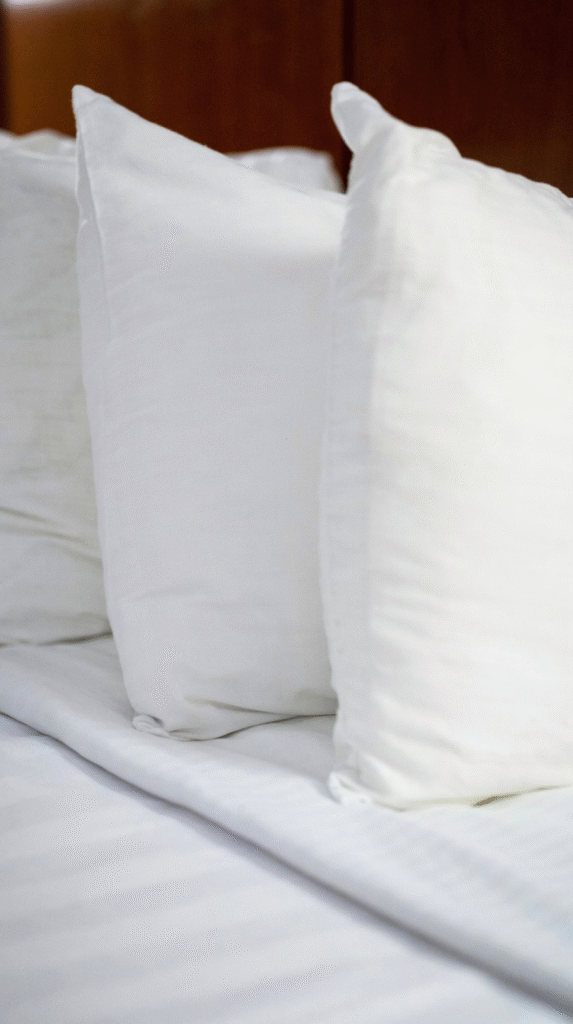
The surfaces we touch every day send immediate signals to our brain. Texture for emotional wellbeing is a 2026 design secret.
- The Science: Synthetic materials like plastic or laminate often feel “cold” and uniform. In contrast, natural materials in home décor—like the grain of wood or the weave of linen—engage our senses in a complex way that grounds us in the present moment. Studies show that wooden interiors can actually lower blood pressure.
- The Soulful Swap: Trade your polyester throws for organic cotton or wool. Replace laminate coffee tables with sustainably sourced wood or stone.
- Impact: A “tactile reset.” These materials hold warmth and provide sensory appeal, making your home feel physically and emotionally comfortable.
Swap 5: From “Visual Noise” to “Mindful Minimalism”
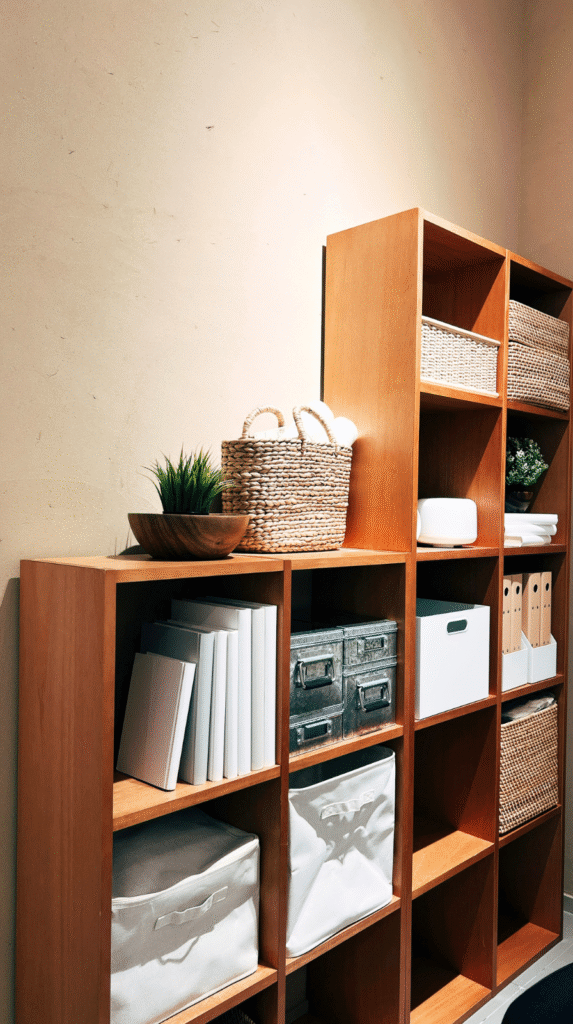
Clutter-free calming interiors are about more than just being tidy; they are about protecting your mental energy.
- The Science: Visual clutter acts as a persistent stressor, causing “cognitive-emotional overload.” Organizing for less stress reduces activity in the brain’s prefrontal cortex, which handles decision-making and focus.
- The Soulful Swap: Clear your “hotspot” surfaces (like the kitchen counter or entryway table). Use natural materials like woven baskets to hide daily “noise.”
- Impact: Increased mental clarity. When your eyes can rest on empty, beautiful spaces, your brain follows suit.
Bringing it All Together: The Soulful Wellness Corner
To truly embrace the anti-inflammatory home lifestyle, I recommend creating a dedicated “Wellness Corner.” This is a small space where all these swaps live together:
- A comfortable chair with a natural fiber throw.
- A small side table with a healing ginger tea.
- A low-light plant and a warm-toned lamp.
This becomes your intentional home space for mindfulness, reading, or simply decompressing after a long day.
Frequently Asked Questions
1. What is an “Anti-Inflammatory Home”?
An anti-inflammatory home is a living space designed to lower cortisol (the stress hormone) and reduce environmental toxins. Just as anti-inflammatory foods heal the gut, an anti-inflammatory environment heals the nervous system by using calming colors, natural materials, and biophilic elements to prevent “sensory overload.”
2. Can home decor actually reduce physical inflammation?
Yes, indirectly! Chronic stress is a primary driver of systemic inflammation. When your home is cluttered, poorly lit, or filled with synthetic materials, your brain stays in a state of “low-grade alert.” By creating a peaceful home interior, you trigger the body’s “rest and digest” mode (parasympathetic nervous system), which allows the body to focus on cellular repair and reducing inflammation.
3. What is “Biophilic Design” and why is it trending in 2026?
Biophilia is the human instinct to connect with nature. Biophilic design ideas involve bringing the outdoors in—using plants, natural light, and organic shapes. In 2026, it’s viral because it’s a science-backed way to boost serotonin, improve air quality, and lower blood pressure naturally.
4. Which colors are best for reducing anxiety at home?
Shades of blue and green are the most effective for calming the nervous system because they mimic the sky, water, and forests. If you want to boost your mood, “Dopamine Decor” colors like soft yellow or ochre can stimulate happiness without being overstimulating.
5. How do I start if I’m on a tight budget?
You don’t need a renovation! Start with small decor changes:
- Clear one surface (like your kitchen counter) to reduce visual noise.
- Swap your bright white light bulbs for warm-toned (amber) bulbs.
- Open your windows for 10 minutes daily to improve air circulation.
- Bring in a single $15 Snake Plant or Peace Lily.
6. Is “Minimalism” the same as “Anti-Inflammatory Decor”?
Not necessarily. While reducing clutter is essential, some minimalism can feel “cold” or “sterile.” An anti-inflammatory home focuses on “Warm Minimalism”—keeping spaces open but layering in natural materials like wood, linen, and stone to provide sensory comfort and emotional warmth.
7. Why is lighting so important for mental wellbeing?
Natural light regulates your circadian rhythm (your internal clock). In the evening, cool blue light from screens or fluorescent bulbs tricks your brain into thinking it’s daytime, which stops the production of melatonin and keeps your stress levels high. Switching to warm, dim lighting at eye level helps your body prepare for deep, anti-inflammatory sleep.
8. What are the best plants for a stress-free interior?
For beginners, I recommend Snake Plants, Spider Plants, or Aloe Vera. They are hard to kill and are excellent at purifying indoor air by removing toxins like formaldehyde and benzene, which can contribute to respiratory inflammation.
9. Can I create a “Home Sanctuary” in a small apartment?
Absolutely. It’s about Intentionality. Designate one specific corner—even just a chair by a window—as your “No-Tech Zone.” Add a soft blanket, a plant, and a warm lamp. This small “refuge” serves as a mental signal to your brain that it’s time to decompress.
Final Words: Your Journey to a Soulful, Healing Sanctuary
Creating an anti-inflammatory home is about more than just picking a trending aesthetic; it’s about biological intention. By choosing the earthy warmth of a mood-enhancing colour palette over synthetic brights, and opting for biophilic design ideas over static objects, you are actively lowering your body’s stress response. You aren’t just changing your curtains—you are changing the way your nervous system breathes within your four walls.
In 2026, we’ve learned that our surroundings are a form of “external medicine.” Whether you start with a single peaceful living room swap or a complete wellness-oriented interior design overhaul, you are taking a powerful stand for your mental wellbeing. Your home should be the place that restores you, a home sanctuary that acts as a buffer against the noise of the outside world.
Remember, a stress-free home isn’t a luxury; it’s the foundation of a healthy life. Keep your space soulful, keep it intentional, and let every texture and light choice remind you that your peace is worth protecting.